
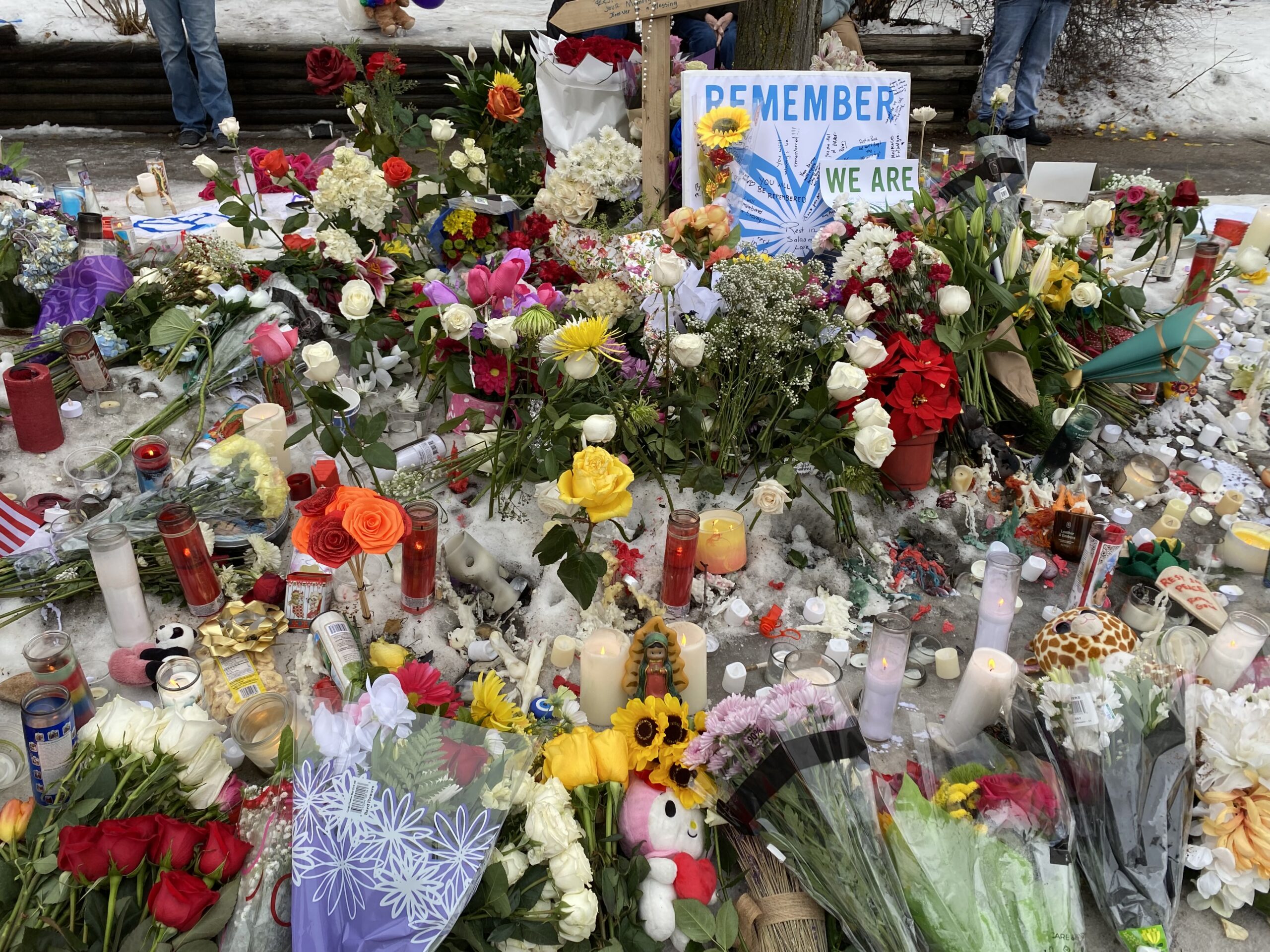
As U.S. federal immigration enforcement turned violent, a civic culture of “neighborism” emerged in the Twin Cities. Greg Darr, Vocations Minister for the Maryknoll Fathers and Brothers, reports from Minnesota.
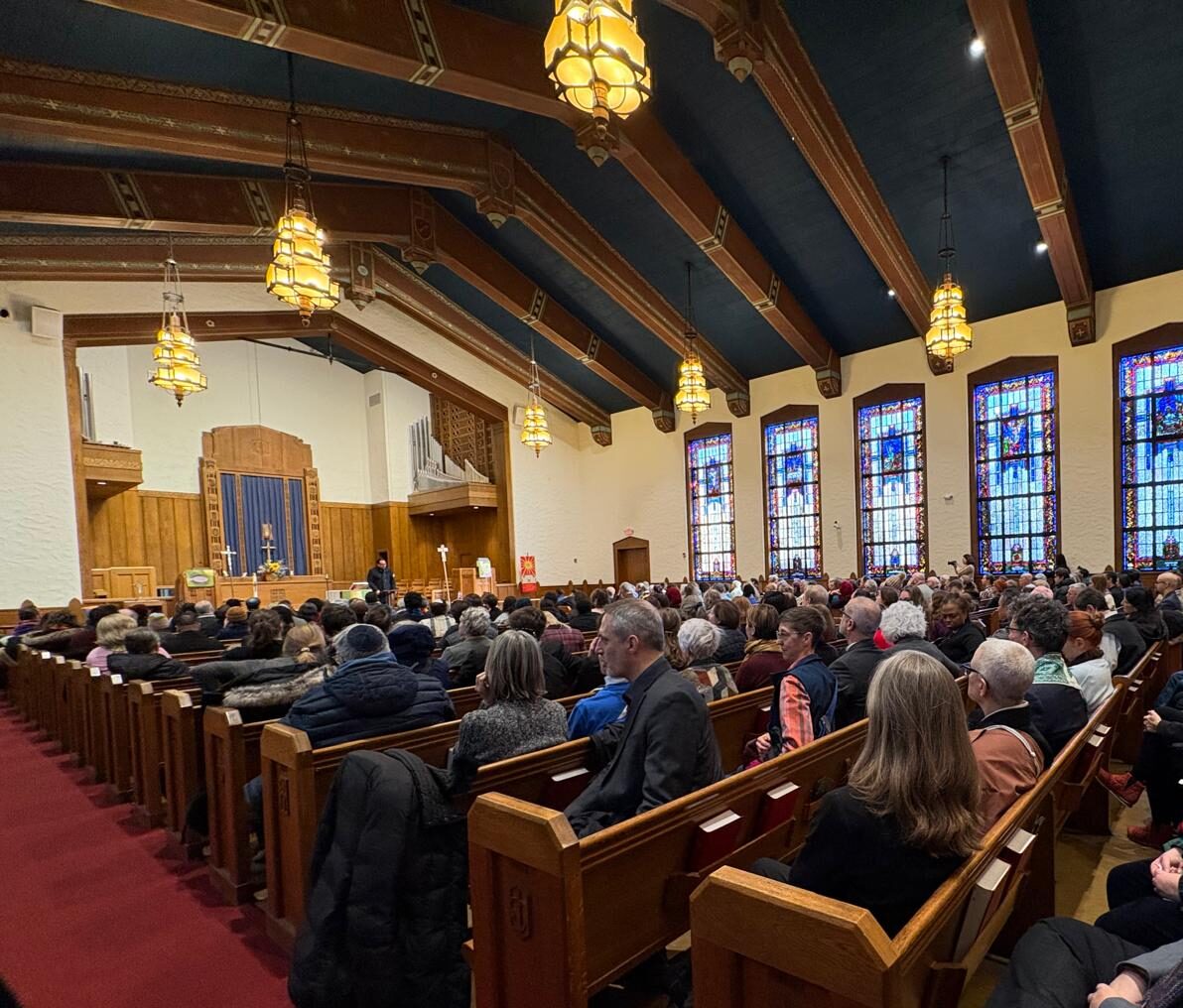
A season of holy resistance by faith groups is in full swing in Washington, D.C., against current federal immigration enforcement practices and funding.
Eleven Catholic Bishops from the United States, Canada, and Latin America met in Tampa, Florida, for a biennial gathering aimed at strengthening continental unity.
In early February 2026, Catholic bishops from the United States and the African continent met in Washington, D.C., to formalize a new era of spiritual and social partnership.

On Feb. 10, a group of nineteen Theravada Buddhist monks completed a 108-day, 2,300-mile “Walk for Peace” from their center for meditation in Fort Worth, Texas, to Washington, D.C., to share a message of peace, compassion and nonviolence. Stefan Andre Waligur, founder of Community of Peace in Louisa, Virginia, a Taize-style intentional community, wrote the following reflection on his experience accompanying the monks on their walk that day and participating in an interfaith service of welcome for the monks at the National Cathedral.
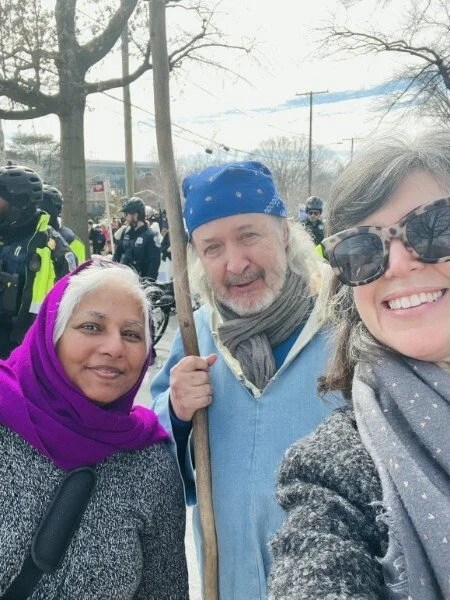
The January 3 U.S. attack on Venezuela and capture of President Nicolás Maduro continue to have dramatic reverberations inside Venezuela and globally. The Maryknoll Office for Global Concerns (MOGC) has been following events together with partner organizations in Latin America and the United States.
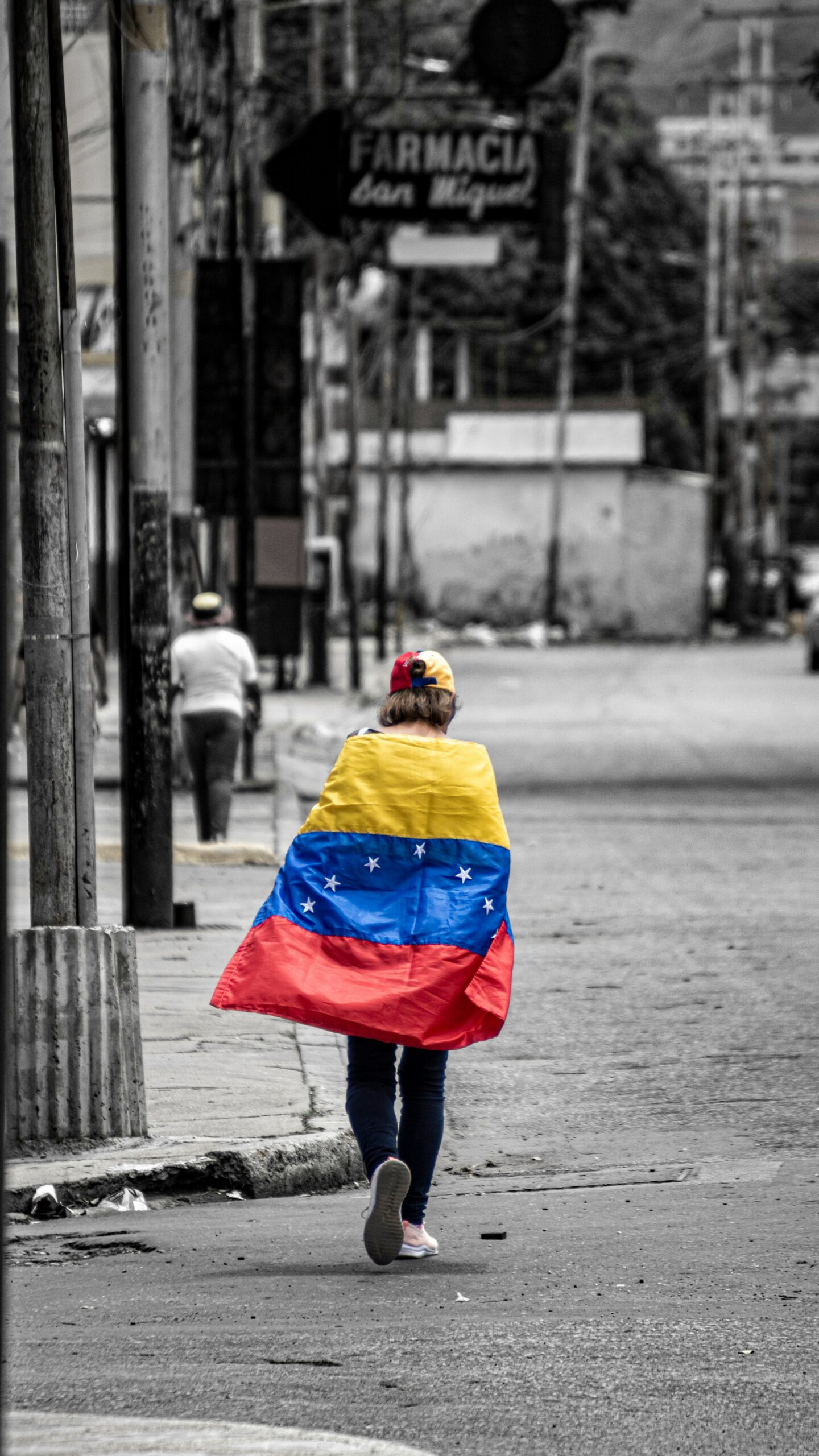
The following is a summary of an article written by Maureen Meyer for the Washington Office on Latin America on Feb. 19, 2026.

In a definitive act of oversight, Congress restored billions in funding for global health and democracy, even as the traditional structures of U.S. foreign aid begin to dissolve. Maryknoll Office for Global Concerns Program Associate Fellow Mark Joyce reports.
As the final treaty governing the world’s largest nuclear arsenals expires without a successor, faith leaders and advocacy groups are calling on the United States to reject a new arms race and embrace a path toward disarmament.
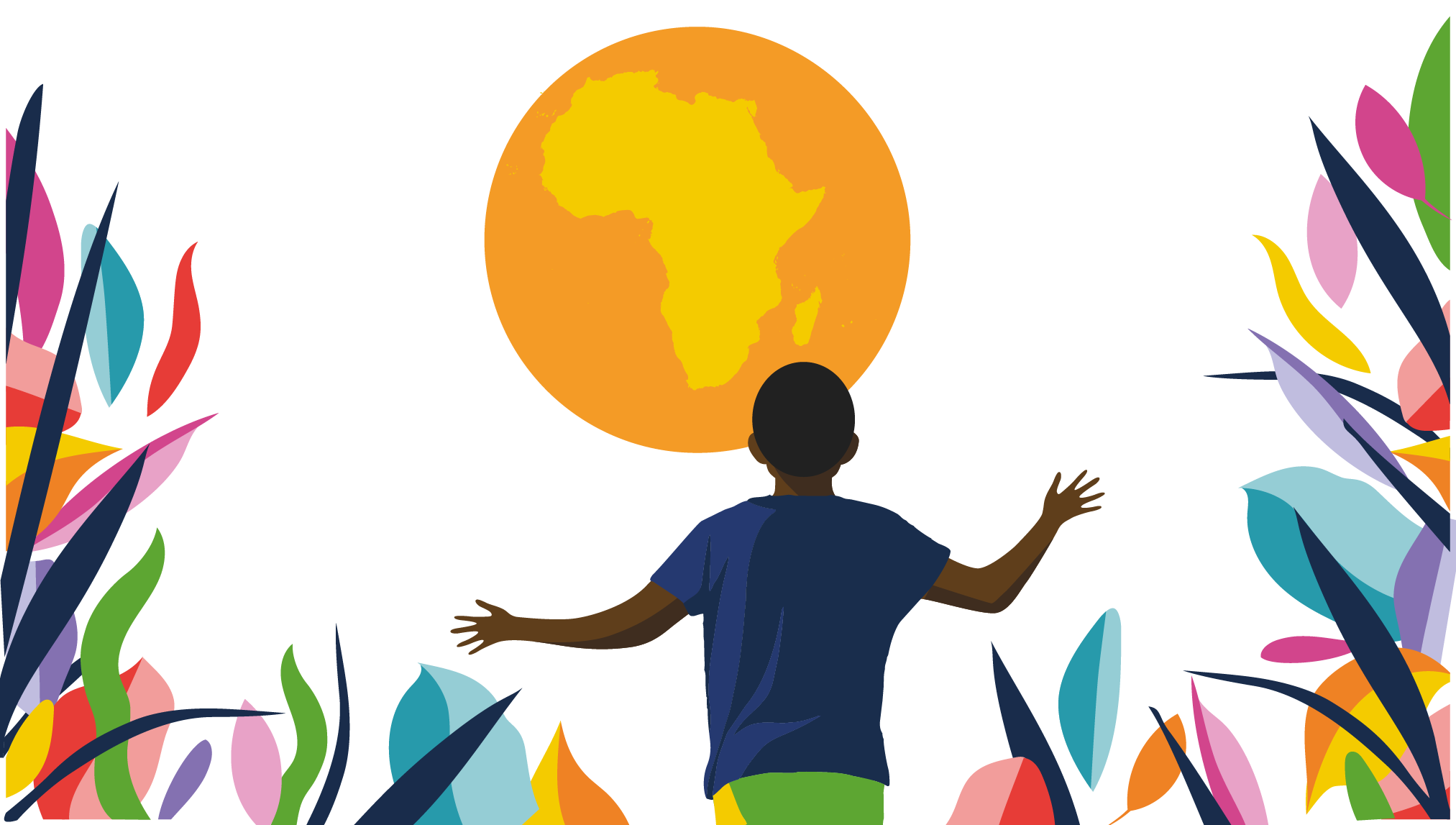
The nations of Africa face numerous challenges, both internal and external, but the Brookings Institution’s annual Foresight Africa report highlights areas where the continent can overcome headwinds, at least to some extent.
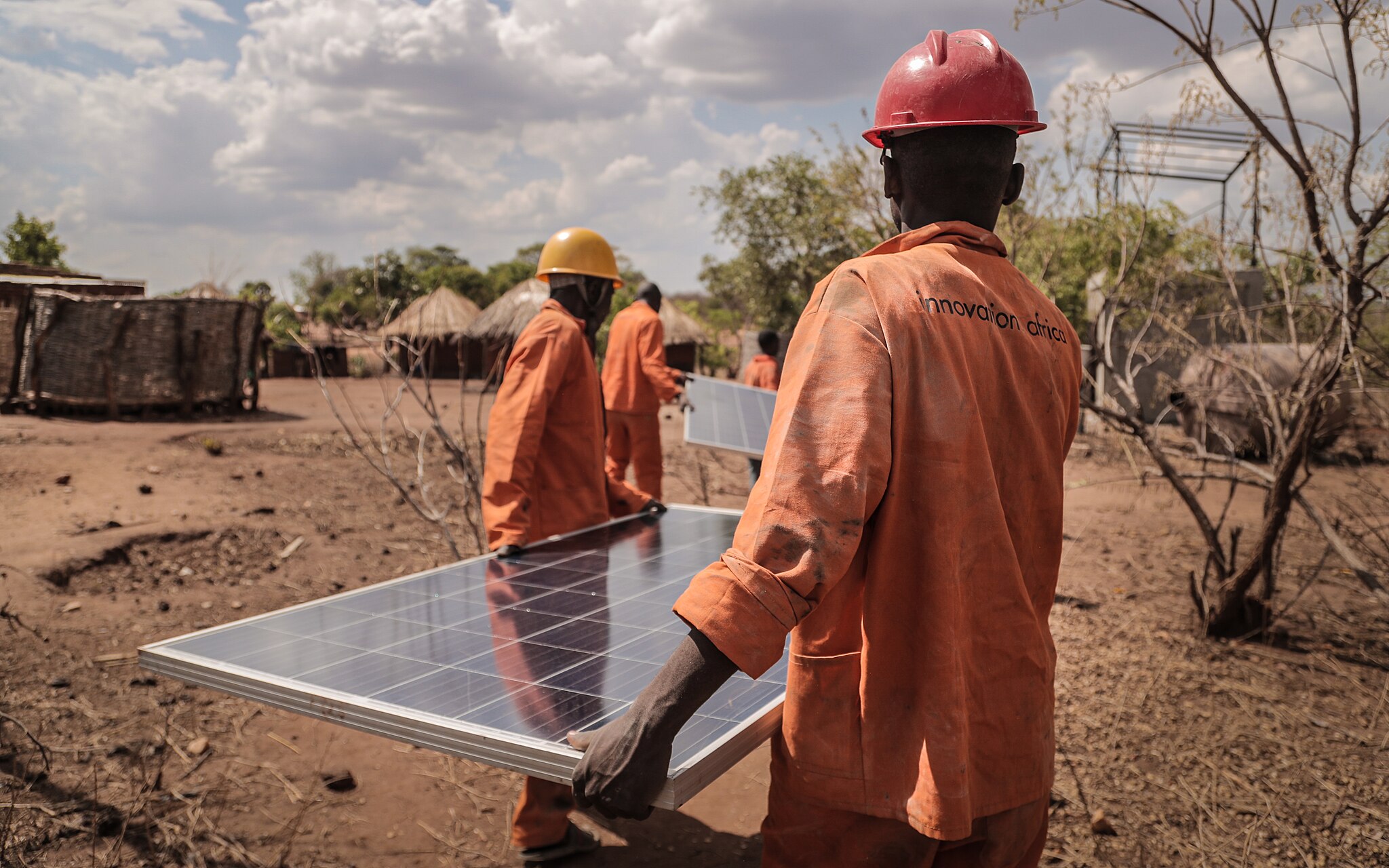
Some African countries are bypassing the era of fossil fuels to pioneer decentralized renewable energy, a historic shift that highlights the growing economic dominance of green power and the urgent need for global climate equity.
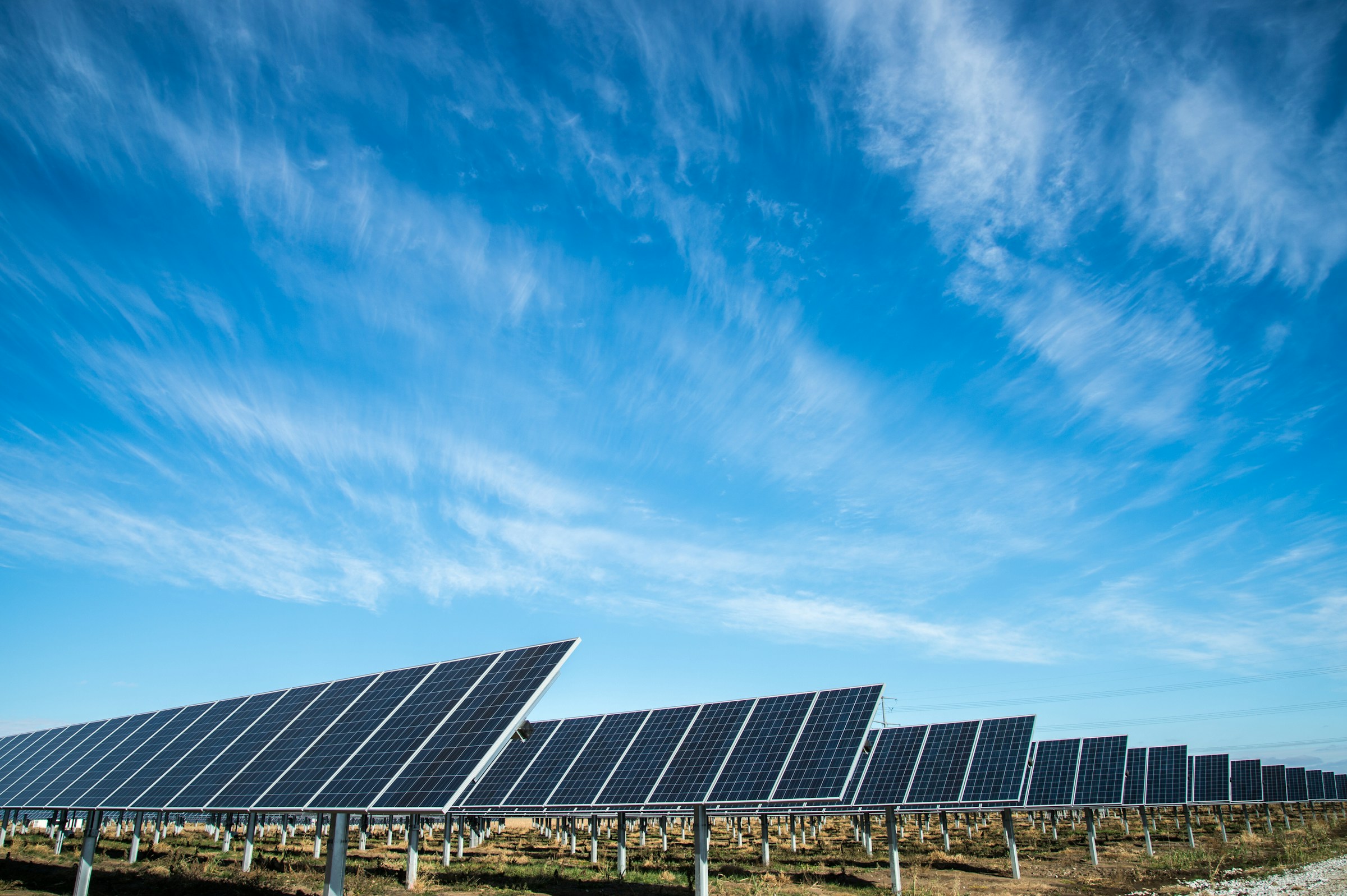
Renewable energy technologies—solar, wind, bioenergy, hydropower, and geothermal—interact with land systems in complex ways, influencing land health and productivity, the provision of ecosystem services, and local socio-economic outcomes. The International Institute for Sustainable Development (IISD) report “Natural Fit: Renewable Energy and Sustainable Land Management,” addresses this conundrum and offers achievable solutions.
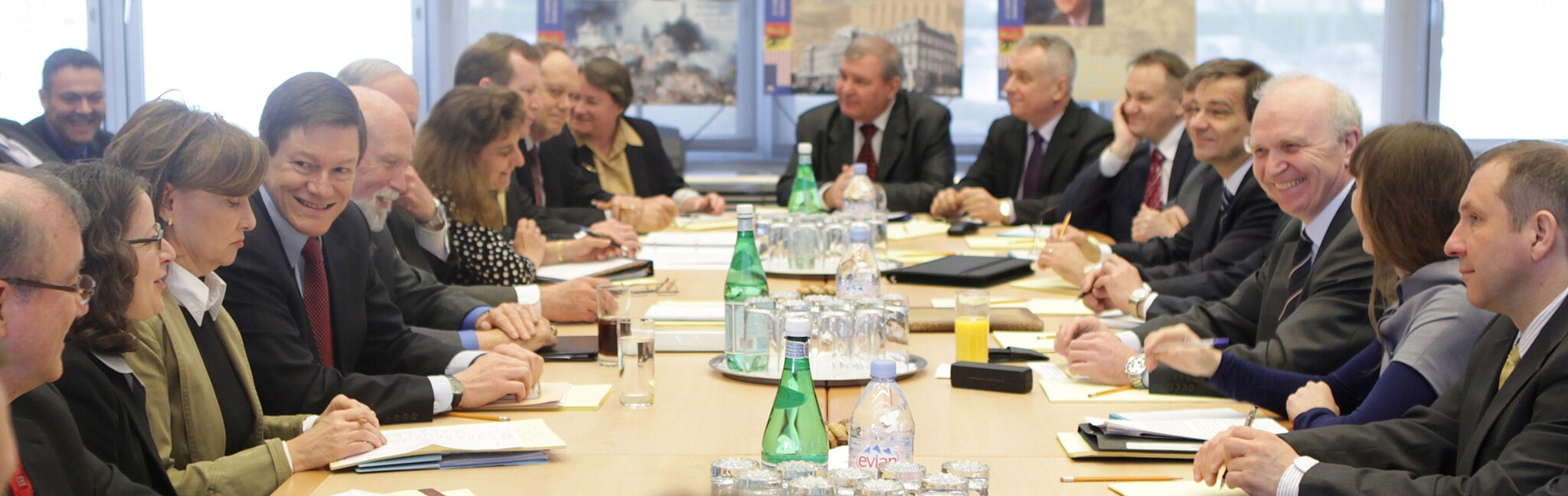
Churches for Middle East Peace will host the Joint Christian Advocacy Summit 2026 in Washington, D.C., from May 5-7, 2026.
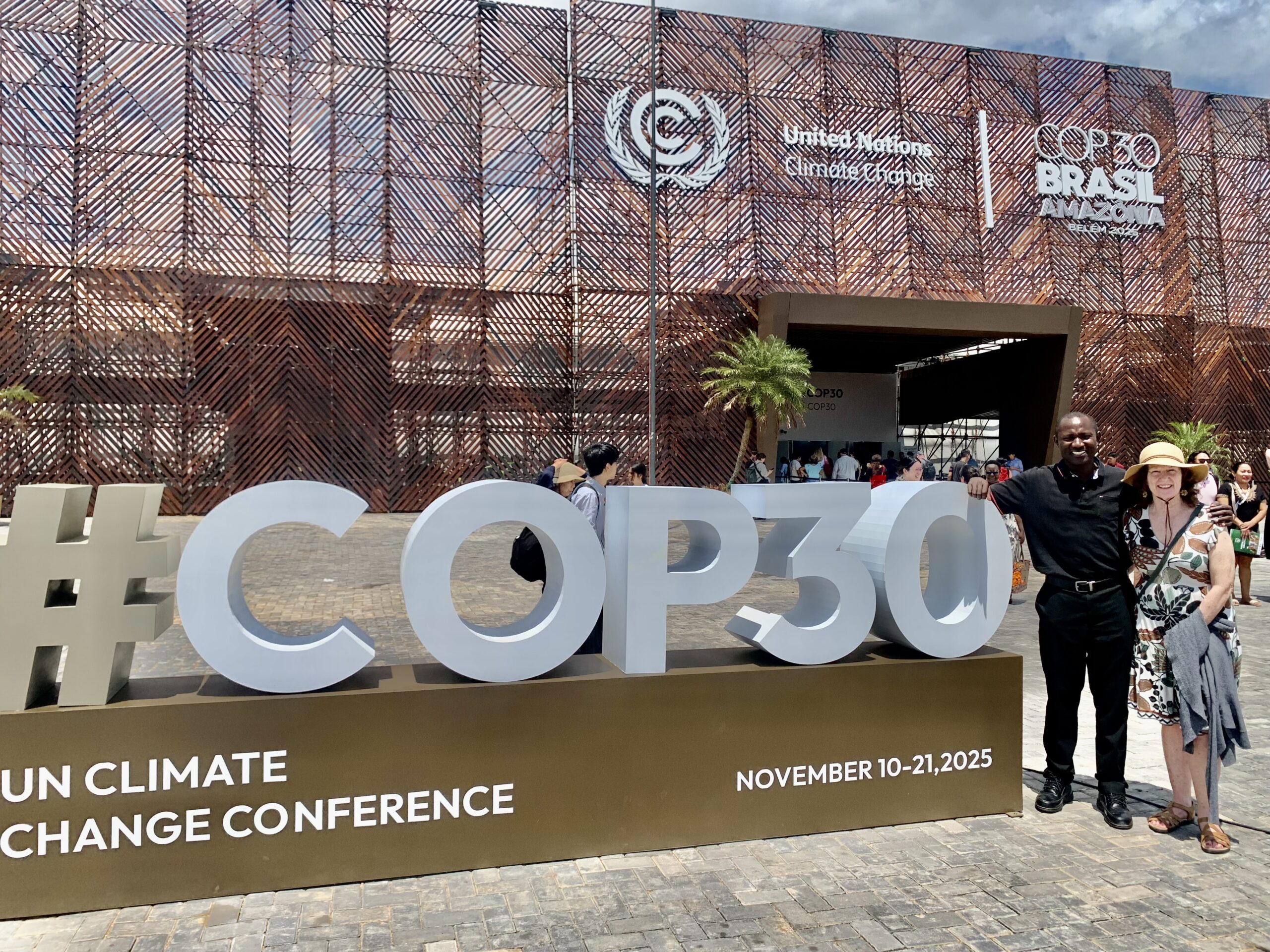
In a significant push for continued international cooperation, the Maryknoll Office for Global Concerns and a broad coalition of faith-based organizations are advocating for a reversal of the Trump administration’s decision to withdraw from the United Nations Framework Convention on Climate Change (UNFCCC).
Statements, guides, videos, fact sheets and more…