
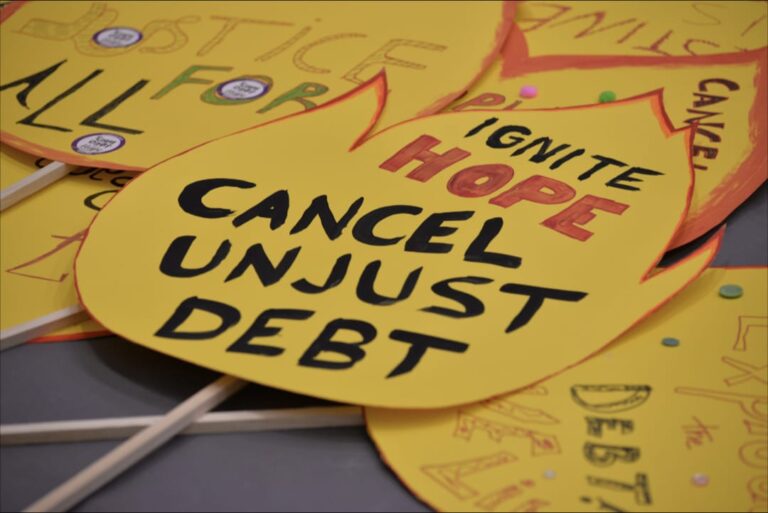
Resources in NewsNotes July-August 2026
Statements, guides, videos, fact sheets and more…
From Cambodia to El Salvador, Bangladesh to Tanzania, Maryknoll missioners accompany people and communities affected by poverty and extreme poverty.
Based on our belief that each person is both sacred and social, created in God’s image, and destined to share in the goods of the Earth as part of a community of justice and mercy, we hear the cry of the poor and we are called to respond. From the time of the Old Testament to today, we recognize poverty as a common result of unjust oppression of those forced to live on the margins, prohibited from participating in society. We listen to our suffering brothers and sisters and we hear echoes of God’s frequent warnings to the Israelites in the Book of Exodus, of their duty to care for those who are poor, powerless, and excluded by society.
Embracing this duty, we advocate for social and economic change, to eliminate the roots causes of poverty found in unjust economic structures. We promote the globalization of solidarity, the enhancement of inclusive human security, and development that is rooted in social justice and ecological sustainability.
Maryknoll Leadership Statement: Trading in justice: The local impact of global economic decisions
WEBINAR: U.S. Trade Policy – Putting People and Planet First
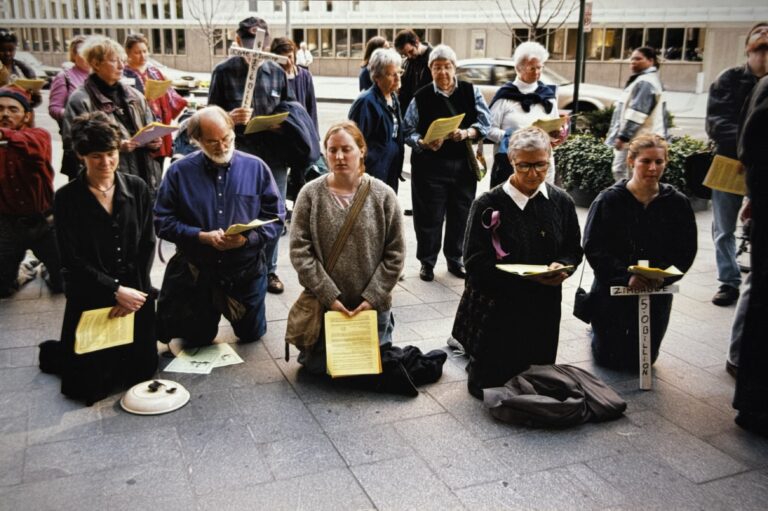
PRAYER: Virtual Good Friday Way of the Cross for Economic and Ecological Justice
POLICY BRIEF: End the Pandemic Through Global Vaccine Access
SPECIAL PROGRAM: Integral Ecology Program
NEWSLETTER: Encounters Where Faith, Economy, Ecology Meet
PRESS STATEMENT: Faith communities call for a new trade model

Statements, guides, videos, fact sheets and more…

A recent U.N. report presented to the Human Rights Council details a path forward for eradicating poverty through an economy based on human rights, rather than limitless growth.

Maryknoll missioners witness digital colonialism and worker exploitation in Kenya and the Philippines, two of the leading labor sources for digital technology companies, reinforcing Pope Leo XIV’s call for global AI regulations.

Fr. John Sivalon, M.M., examines Pope Leo XIII’s Rerum Novarum as the anchor for Pope Leo XIV’s Magnifica Humanitas.

Scroll down to send a message to your Member of Congress. “The dignity of every human person must be respected today, not tomorrow, and the extreme poverty of all those…

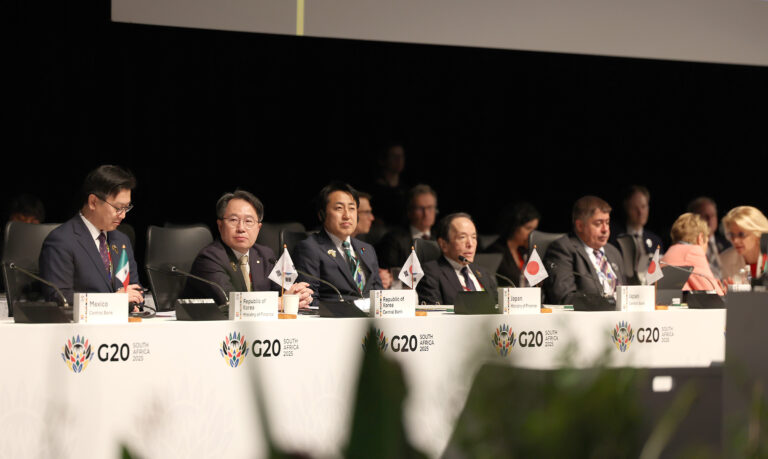
An estimated 3.4 billion people live in countries forced to spend more on debt payments to groups like the IMF or hedge funds than on healthcare or schools. Nearly 70…

Eurodad (the European Network on Debt and Development) calls for urgent action at the World Bank and IMF Spring Meetings to address the growing global debt crisis. This article was originally published by Eurodad on April 17, 2026.

With the end of the African Growth and Opportunity Act, sub-Saharan African countries have lost trade preferences with the United States, threating jobs in the textile, apparel and agricultural sectors.

Pope Leo’s first new teaching was released today, October 9, 2025. In it, our new pope pushes us to put our faith into action and leaves us with urgent questions to answer.

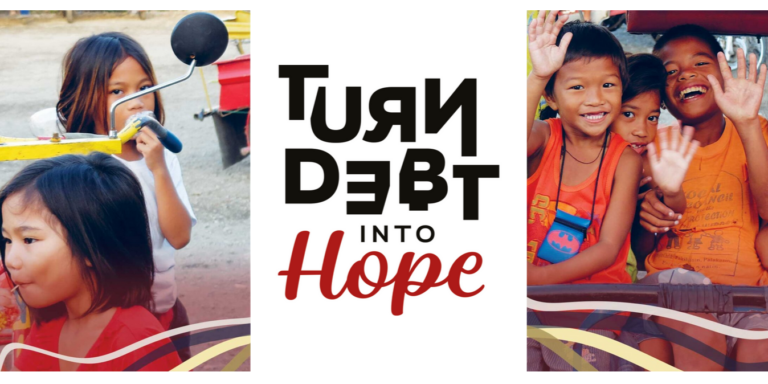
Sign the petition to tell global leaders to “Turn Debt into Hope” — prioritize people and planet over profit. The leaders of the three Maryknoll entities joined 120 global faith…


The following is a summary of a policy brief by the Institute for Agriculture and Trade Policy about the unhealthy control industrial agriculture has over family farming around the world.

As new frontlines in the Sudanese civil war worsen the humanitarian crisis, U.S. and U.N. agencies cut international humanitarian funding. Maryknoll Office for Global Concerns Program Associate Fellow Mark Joyce reports.

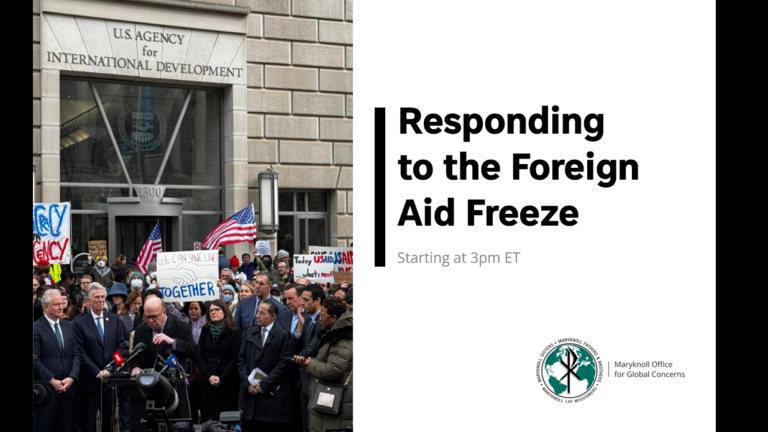
On June 12, the U.S. House of Representatives passed a bill that would rescind $8.3 billion in foreign aid. This rescissions package would eliminate or reduce funding for programs that…

Maryknoll Office for Global Concerns joined the Interfaith Working Group on Foreign Assistance in this letter to the leadership on the Senate Committee on Appropriations to ask for the rejection of the House bill that rescinded over $8 billion dollars of foreign aid, with the potential to cause irreparable harm and human suffering.

Burdensome debt payments prevent more than 40 percent of countries in the Global South from responding to social and development needs. Maryknoll Office for Global Concerns Program Associate Fellow Mark Joyce reports.
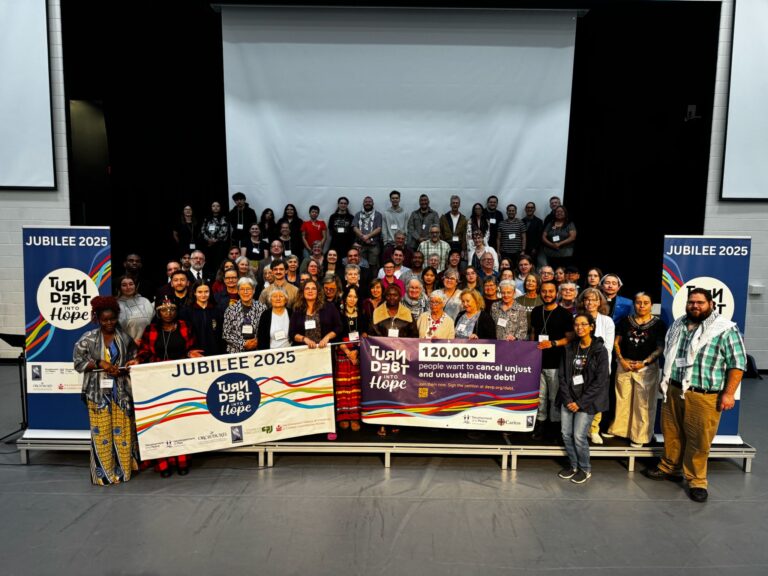
Advocates met in Calgary, Canada, ahead of the G7 summit to discuss the 2025 Jubilee debt relief campaign.

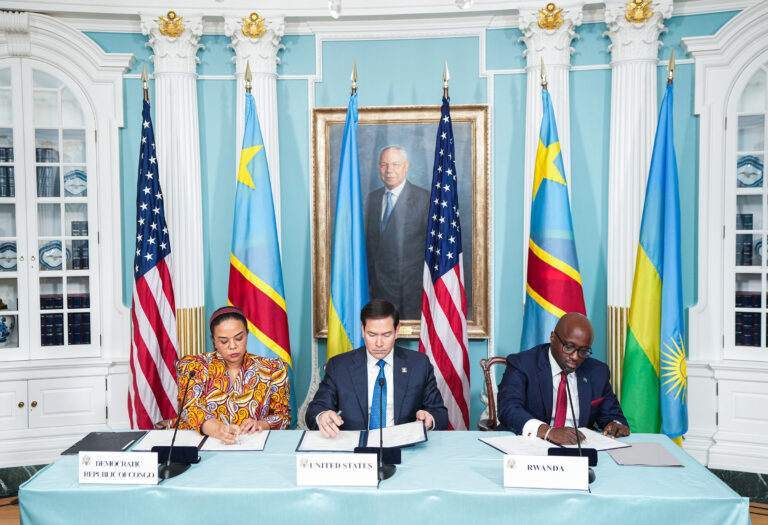
The U.S.-Qatari negotiated peace accord swaps war for resource mining.