
25th Sunday in Ordinary Time
Former lay missioner Phil Dah-Bredine writes this week’s reflection.
The history of Maryknoll in Latin America is rich and deep. Our commitment to the promotion of social justice and peace in the region cost several of our missioners their lives during the years of oppression, including Fr. Bill Woods, MM in Guatemala (1976), and Sisters Ita Ford, MM, Maura Clarke, MM and Carla Piete, MM in El Salvador in 1980. Some, like Fr. Miguel D’Escoto in Nicaragua, have served in public roles in support of those who live in poverty. Countless others have accompanied the Central American people in their daily struggles for survival, for social justice, for an end to the violence that destroys their communities; for new life.
Among the particular concerns of Maryknoll in Latin America are poverty, its causes and consequences; migration and refugees; health care, especially holistic care that includes good nutrition and preventative care; access to essential medicines for treatable or curable illness; HIV and AIDS; the rights and dignity of women and children; the response of authorities to the growth in gang violence; mining concessions; just trade agreements; debt cancellation; small and subsistence farming and other work accessible to people who are poor; and environmental destruction.

Former lay missioner Phil Dah-Bredine writes this week’s reflection.

The following article was published in the September-October 2012 NewsNotes.
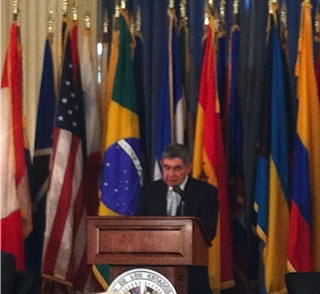
This August marked the 25th anniversary of the signing of the Esquipulas Accords that catalyzed the end to war in Central America. As they celebrate this historic event, Central American countries look to that legacy to find solutions to current issues of security, development and stability in the region. This article is from the September-October 2012 issue of NewsNotes.

Fr. Joe Towle writes this week’s reflection, and shares some memories from his time as a missioner in Latin America.
The following story was published in the September-October 2012 NewsNotes.
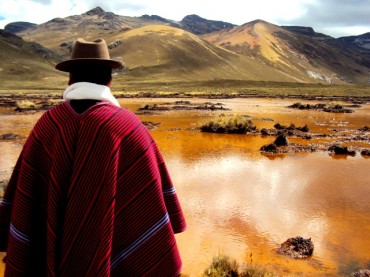
Maryknoll Sister Pat Ryan on mission in Peru is a member of the NGO Human Rights and the Environment; she is the source of the information in this article regarding the community of Condoraque. The following article was published in the September-October 2012 NewsNotes.

“Estamos hasta la madre! [We are fed up]” is the rallying cry of Mexican poet and author Javier Sicilia, who has mobilized people on both sides of the border to stop the bloodshed caused by drug violence. The following article was published in the September-October 2012 NewsNotes.

On September 21, 1976, agents of Chilean dictator Augusto Pinochet detonated a car bomb that killed IPS colleagues Orlando Letelier, a former Chilean diplomat and director of the Institute’s Transnational Institute, and Ronni Karpen Moffitt, an IPS development associate, in Washington, DC. Each year in October, the Institute for Policy Studies hosts the annual human rights award in the names of Letelier and Moffitt to honor these fallen colleagues while celebrating new heroes of the human rights movement from the United States and the Americas.
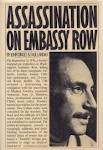
This annual program commemorates the 1976 assassination of Orlando Letelier and Ronni Moffitt; Letelier was a Chilean diplomat who had fled Pinochet’s dictatorship, and Moffitt was a staff person at the Institute for Policy Studies. Michael Moffitt, Ronni’s husband, was injured in the car explosion that killed his wife and Orlando Letelier.

Join the annual vigil to close the School of the Americas/Western Hemisphere Institute for Security Cooperation, Nov. 16-18, 2012, in Columbus GA at the gates of Ft. Benning. Learn more about workshops and other events that weekend at the SOA Watch website.
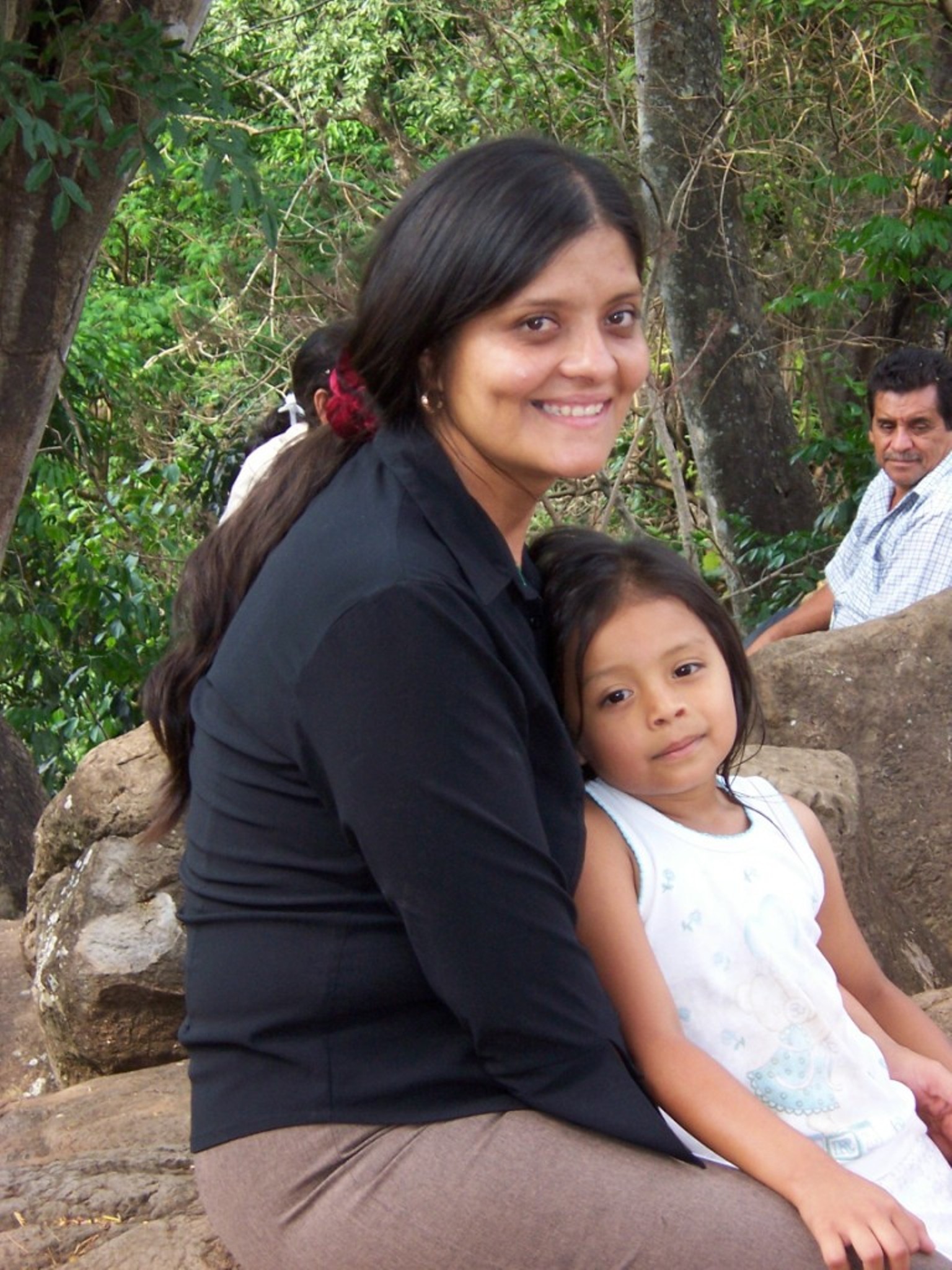
This week’s reflection is from Sr. Madeline Dorsey, who spent many years of her mission life in war-torn El Salvador.
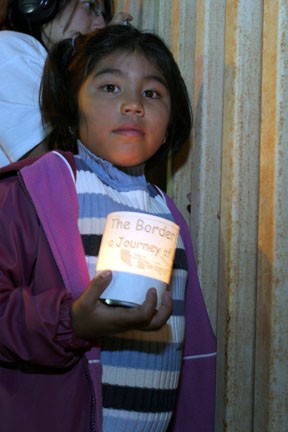
Fr. Jack Northrup reflects on his ministry in Ciudad Juarez, Mexico: “The God of our Lord Jesus Christ is constantly drawing all of us to life, no matter what bleak prisons we may have made for ourselves. Because of God’s choice to constantly offer the free gift of grace to the most needy, we can wake from our sleep, from the illusions of happiness that this world offers. At this very moment we can choose life in its fullness.”
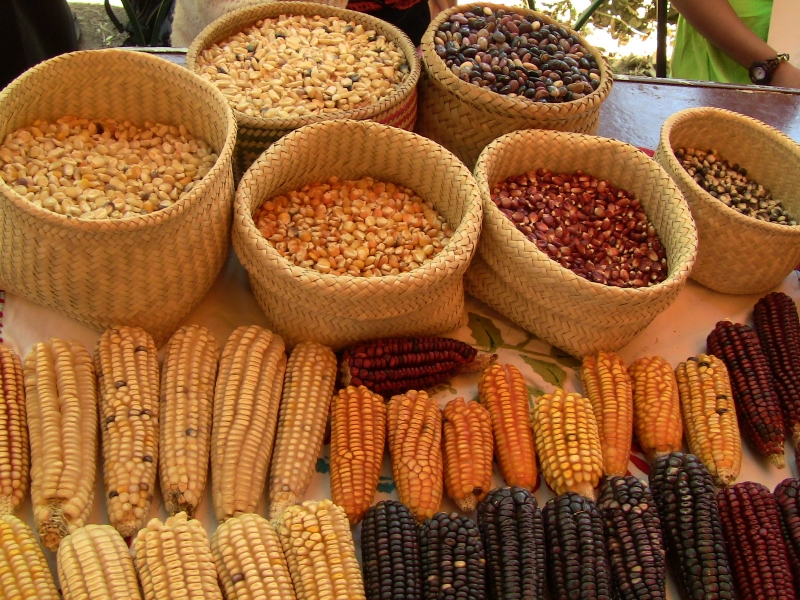
Former lay missioner Jean Walsh shares a reflection on her time in Oaxaca, Mexico, and how the lessons from the Oaxacan farmers’ commitment to the Earth can lead us to more sustainable, integrated lives.

MIgrants continue to suffer tremendously as they search for a better life for themselves and their families.
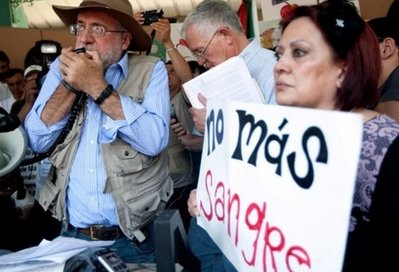
In the past six years, Mexico’s “war on drugs” has led to as many as 60,000 deaths and 10,000 disappearances, and has displaced 160,000 people. Characterized by an intense militarization, including the deployment of over 50,000 troops and federal police, this strategy has undermined the country’s social fabric and security even more deeply, but has done little to address the painful iniquities of drug trafficking in Mexico. Some victims are saying enough, and demand an alternative to militarization and the war on drugs. Their message is not only directed at the government and people of Mexico: This summer they will bring their message to the U.S. to raise awareness around the U.S. connection to Mexico’s war on drugs. The following piece was written by Brennan Baker and published in the July-August 2012 NewsNotes.
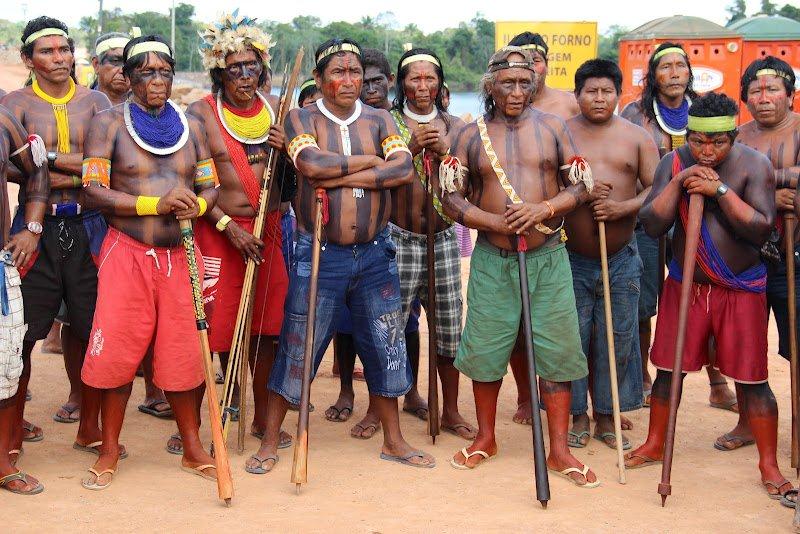
Our colleagues at Amazon Watch are circulating the following alert.

This week’s reflection was written by Maryknoll lay missioner Heidi Cerneka, who works in prison ministry in Brazil.
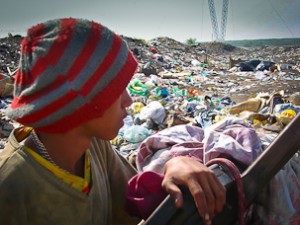
Maryknoll lay missioner Dave Kane shares about his life with recyclers in Brazil.