
U.S. Border: Title 42 and MPP Remain
Two Trump-era policies severely restricting access to asylum at the U.S.-Mexico border have remained or been recently reinstated, to the dismay of immigrant advocates.
The history of Maryknoll in Latin America is rich and deep. Our commitment to the promotion of social justice and peace in the region cost several of our missioners their lives during the years of oppression, including Fr. Bill Woods, MM in Guatemala (1976), and Sisters Ita Ford, MM, Maura Clarke, MM and Carla Piete, MM in El Salvador in 1980. Some, like Fr. Miguel D’Escoto in Nicaragua, have served in public roles in support of those who live in poverty. Countless others have accompanied the Central American people in their daily struggles for survival, for social justice, for an end to the violence that destroys their communities; for new life.
Among the particular concerns of Maryknoll in Latin America are poverty, its causes and consequences; migration and refugees; health care, especially holistic care that includes good nutrition and preventative care; access to essential medicines for treatable or curable illness; HIV and AIDS; the rights and dignity of women and children; the response of authorities to the growth in gang violence; mining concessions; just trade agreements; debt cancellation; small and subsistence farming and other work accessible to people who are poor; and environmental destruction.
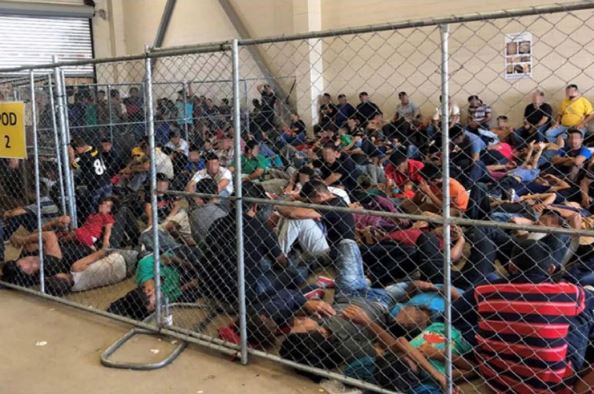
Two Trump-era policies severely restricting access to asylum at the U.S.-Mexico border have remained or been recently reinstated, to the dismay of immigrant advocates.

Fr. Mike Gilgannon, a priest with the Kansas City-St. Joseph diocese who served alongside many Maryknoll missioners in the Andean region, reflects on the roles suffering and death play in our lives.
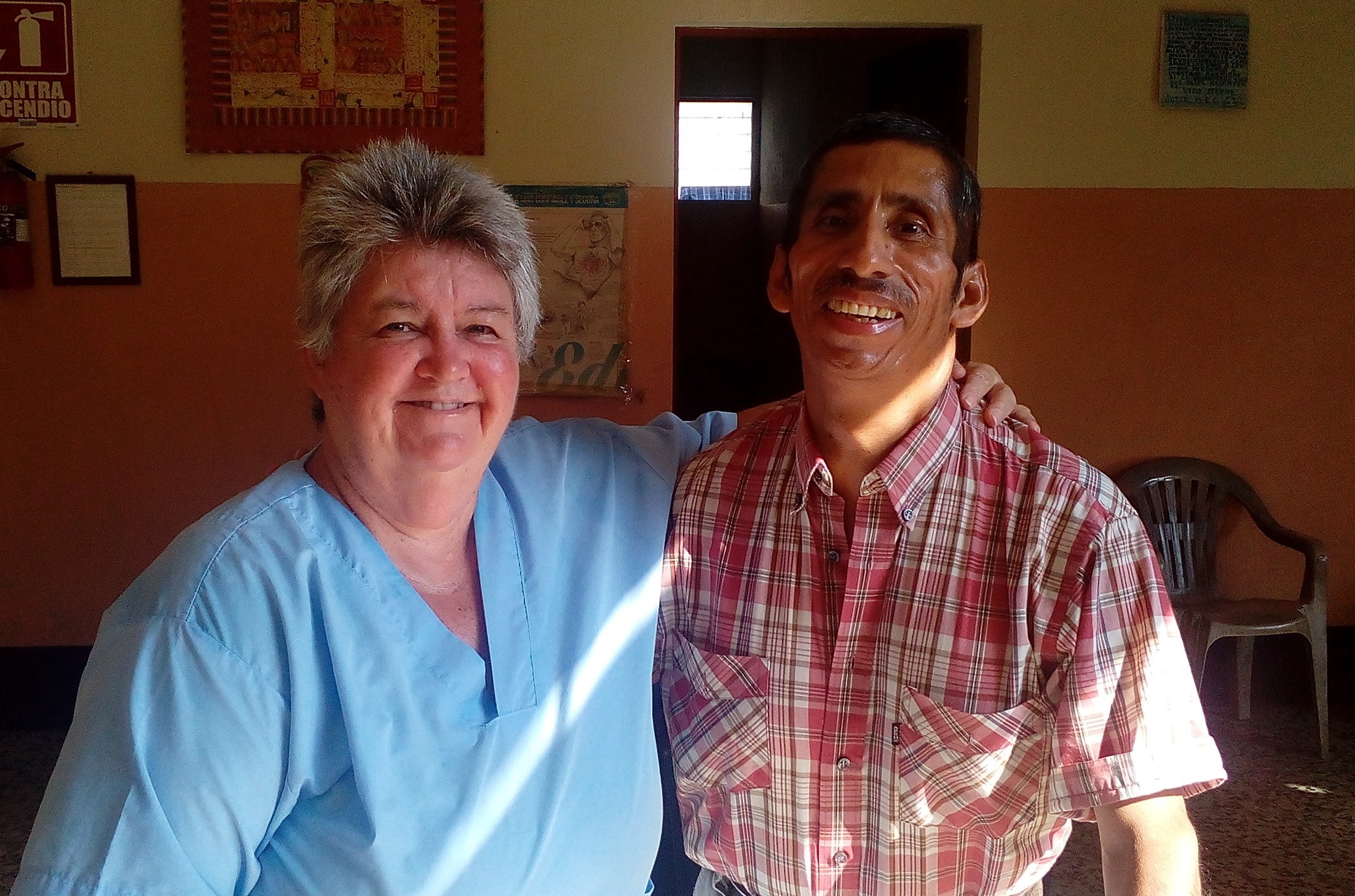
Sr. Delia “Dee” Smith, on mission in Guatemala, reflects on how the Eucharist nourishes us for a life of mission.
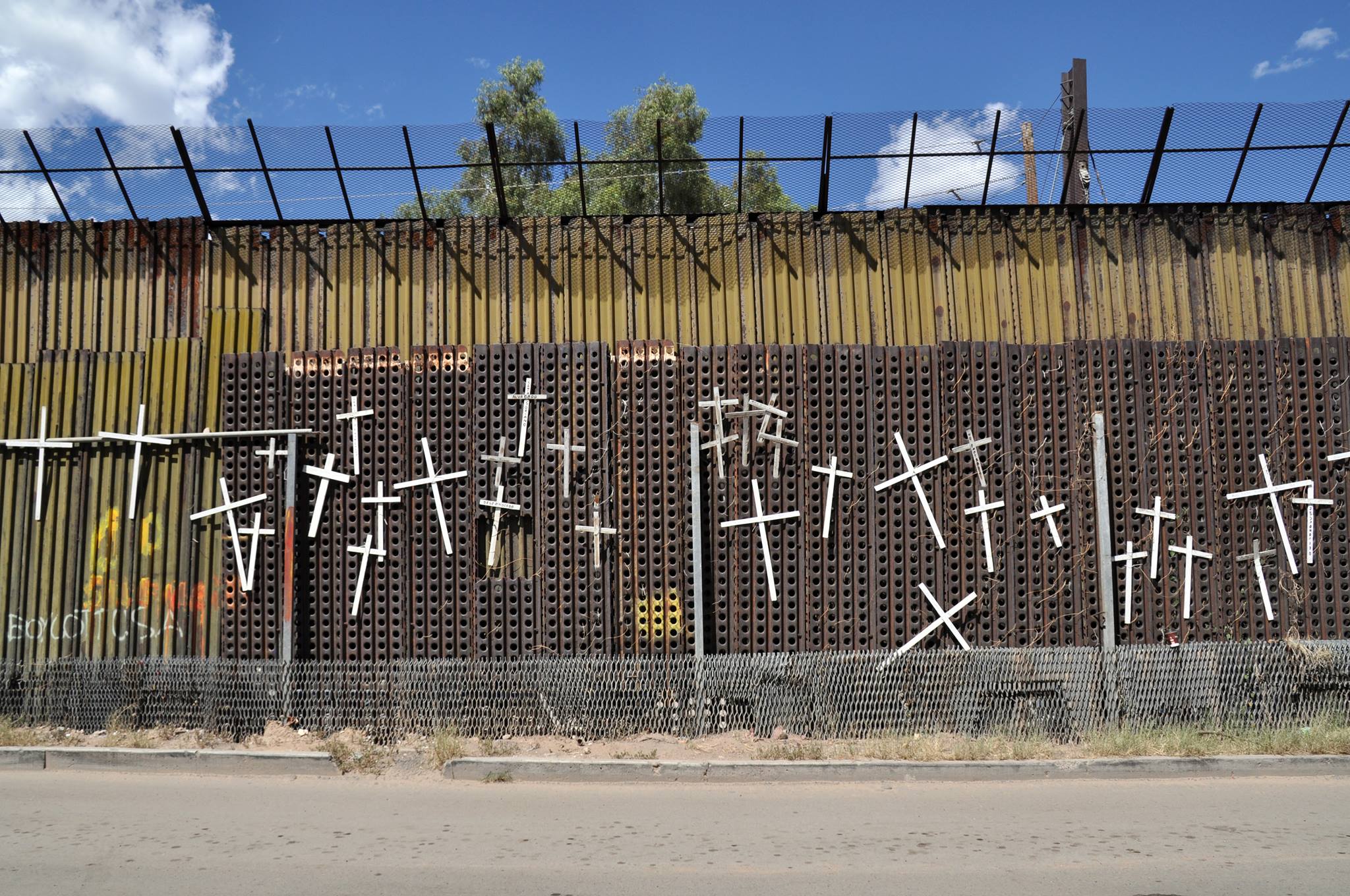
Catholic organizations ask leaders of bishops’ conferences in the Americas to work together to protect migrants as deaths at the U.S.-Mexico border triple.
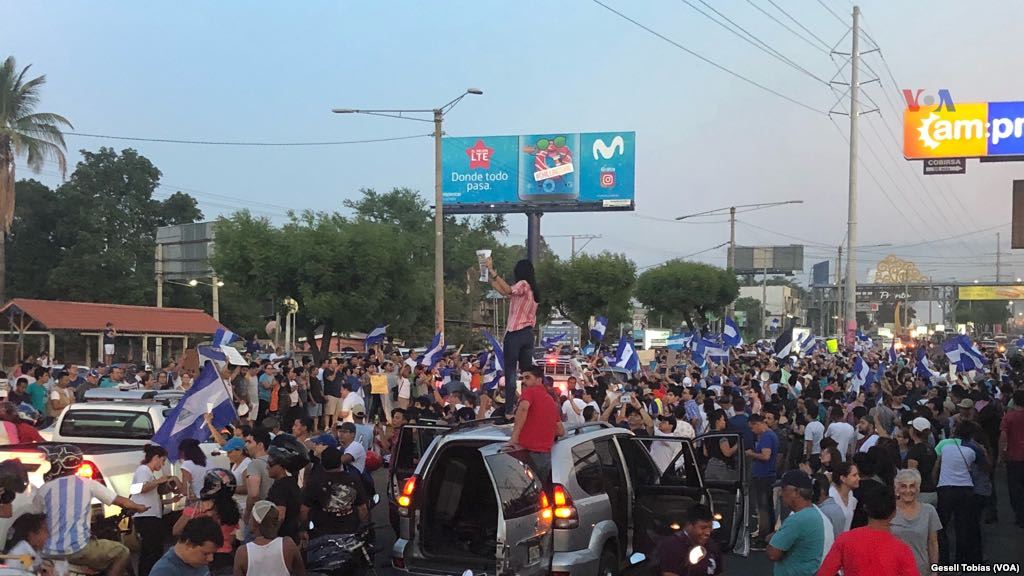
Recent arrests of Nicaraguan opposition figures are the latest example of actions by left-leaning Latin American governments creating division and consternation among international faith groups and solidarity activists.
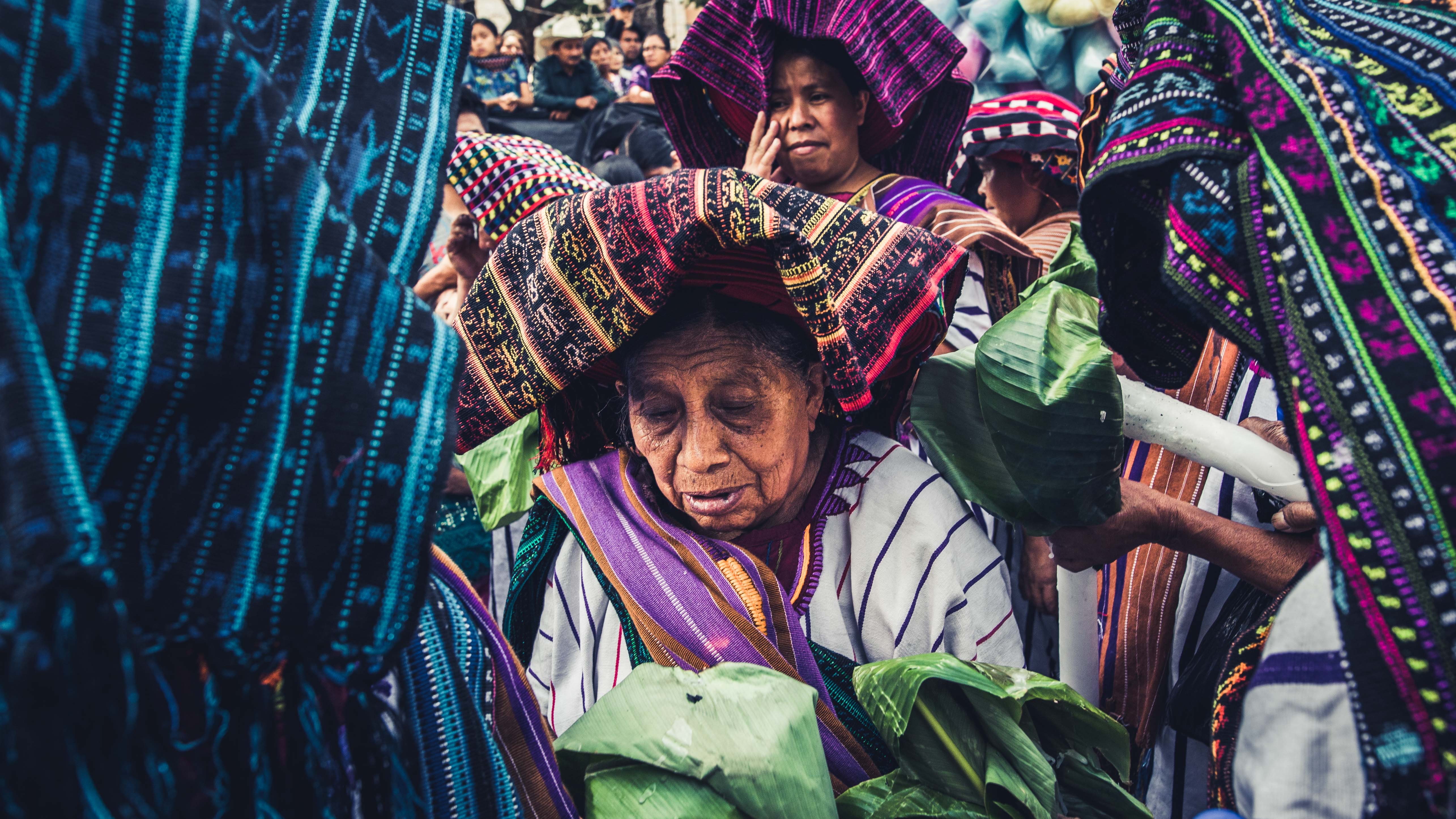
During her visit to Guatemala in early June, Vice President Kamala Harris made comments regarding migration to the southern U.S. border that sparked controversy.
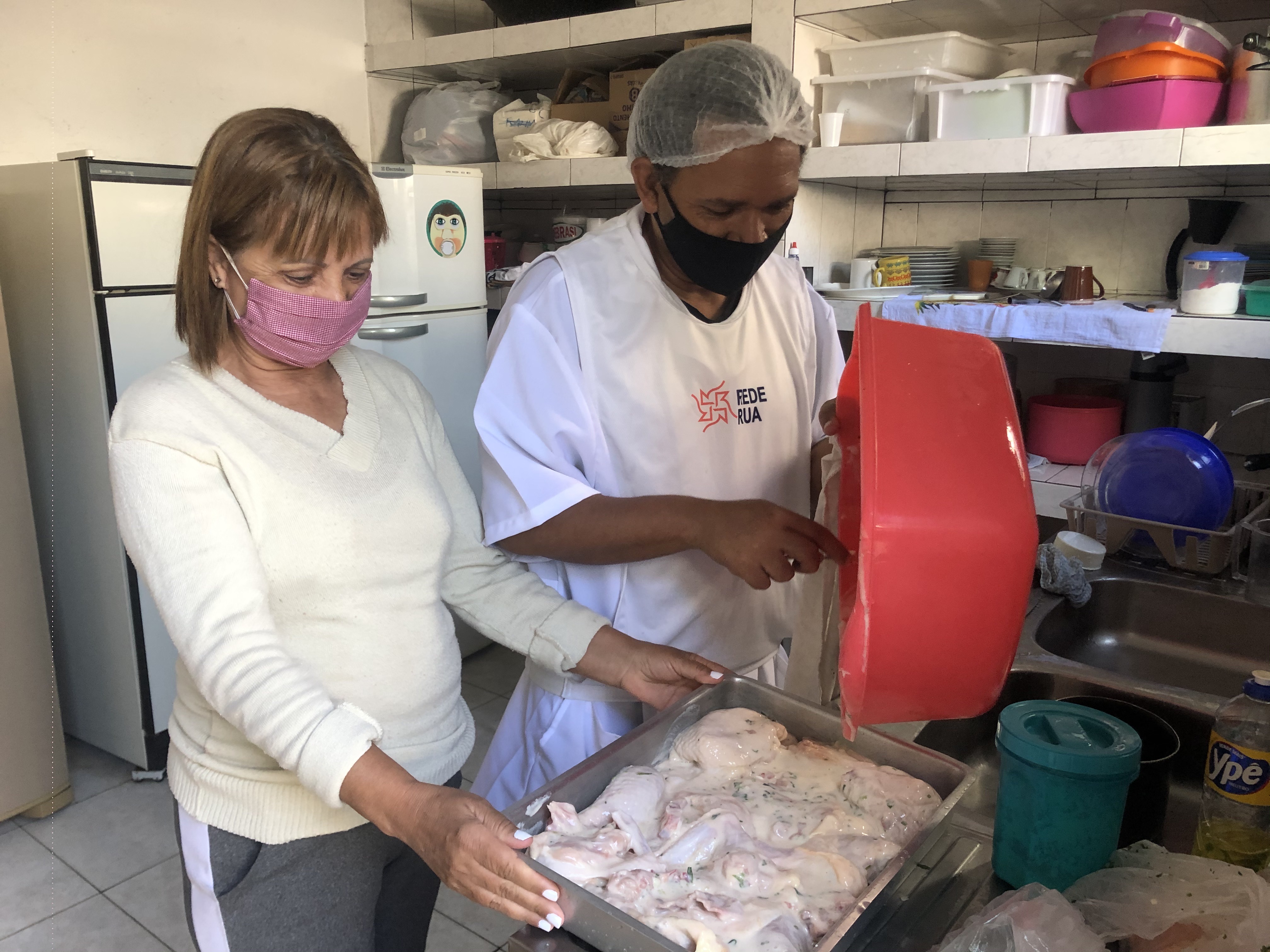
Joanne Blaney, a Maryknoll lay missioner in Brazil, reflects on how small seeds of compassion sown can bear abundant fruit.
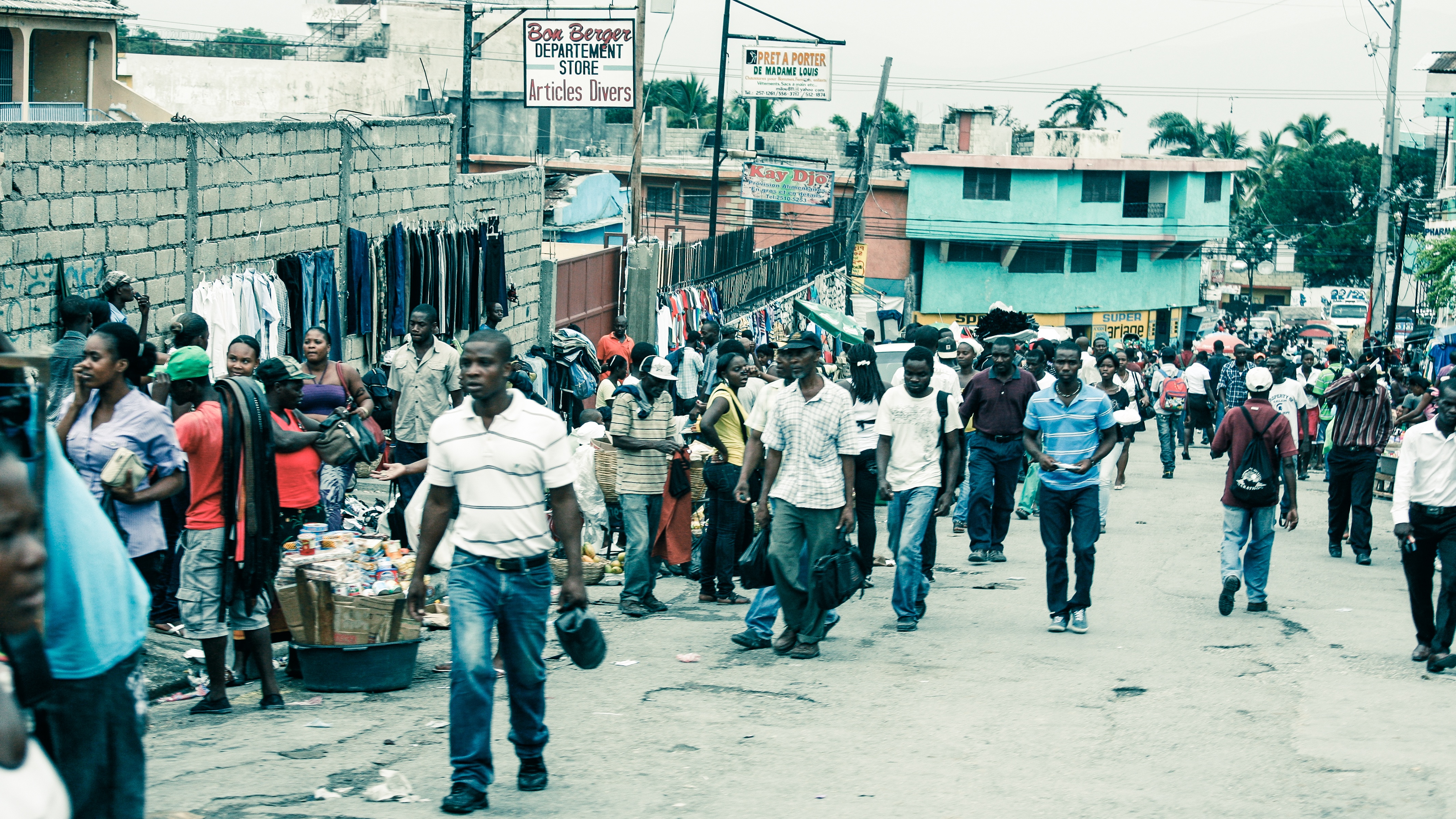
The Maryknoll Office for Global Concerns issued the following statement in response to the Biden administration’s announcement that it would designate Temporary Protected Status (TPS) for Haiti for 18 months.
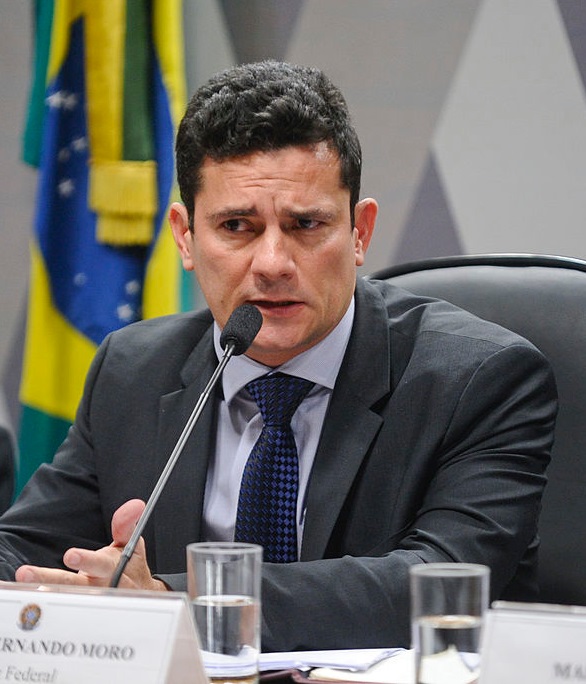
The economic consequences of the Car Wash corruption scandal match the far-reaching political turmoil that continues to overshadow Brazil.

Abby Belt, a Maryknoll lay missioner in Haiti, considers how we can reflect the care of the Good Shepherd to others throughout our daily lives.
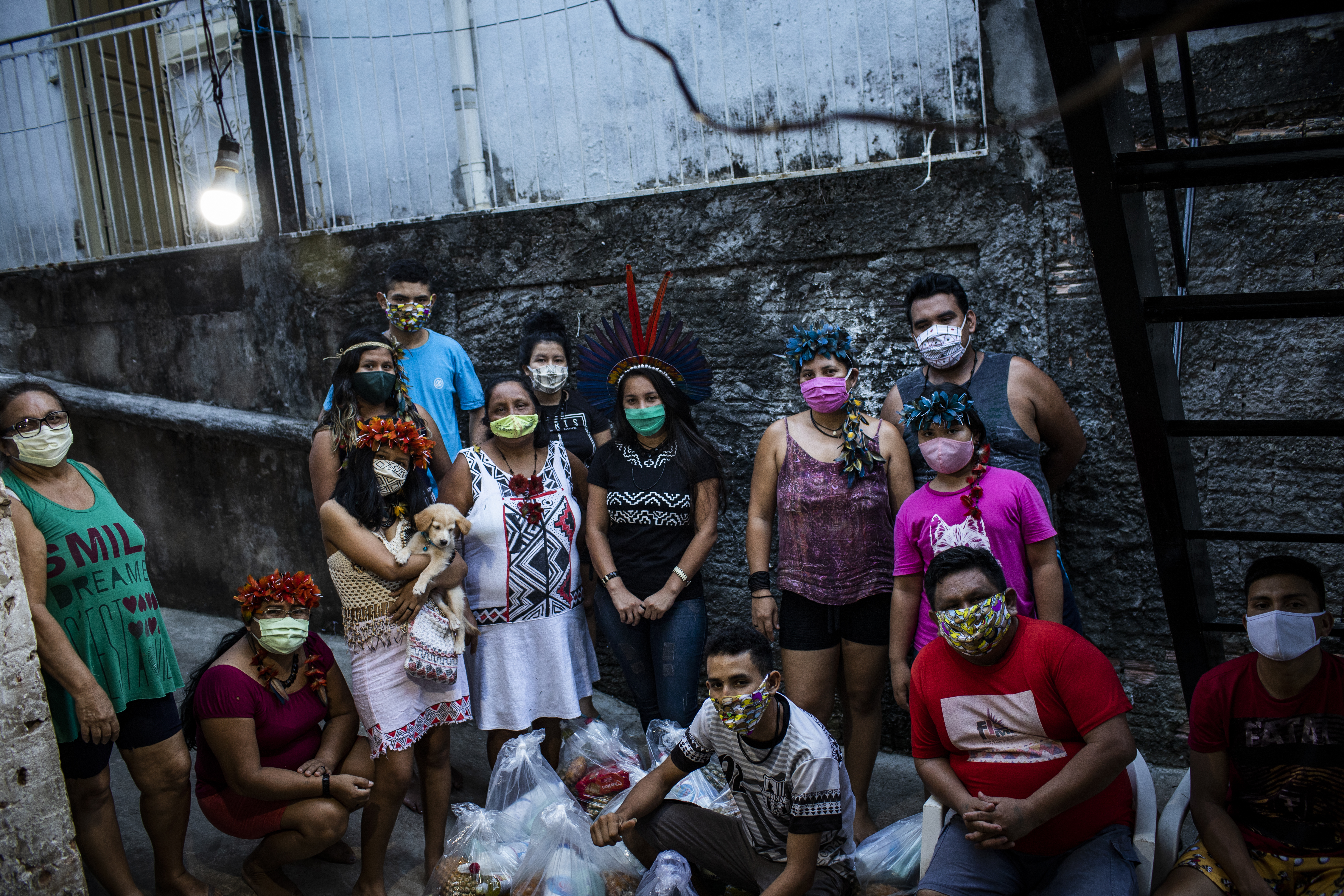
David Kane, an MOGC staff member in Brazil and a returned Maryknoll Lay Missioner, explains how a new study highlights the impacts of President Bolsonaro’s actions on the trajectory of the COVID-19 pandemic in Brazil.
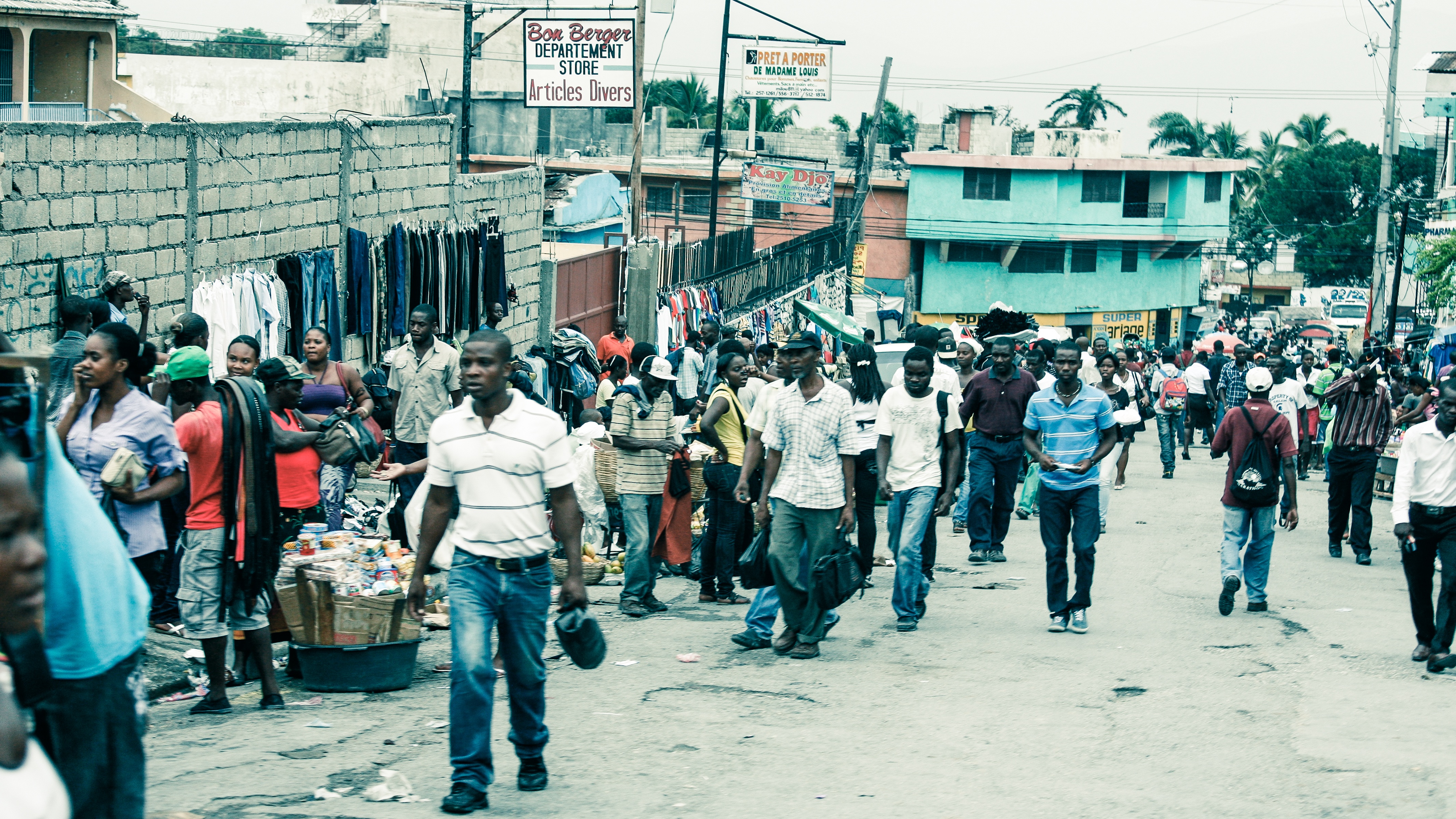
The political situation in Haiti has brought the country to the “verge of explosion.”
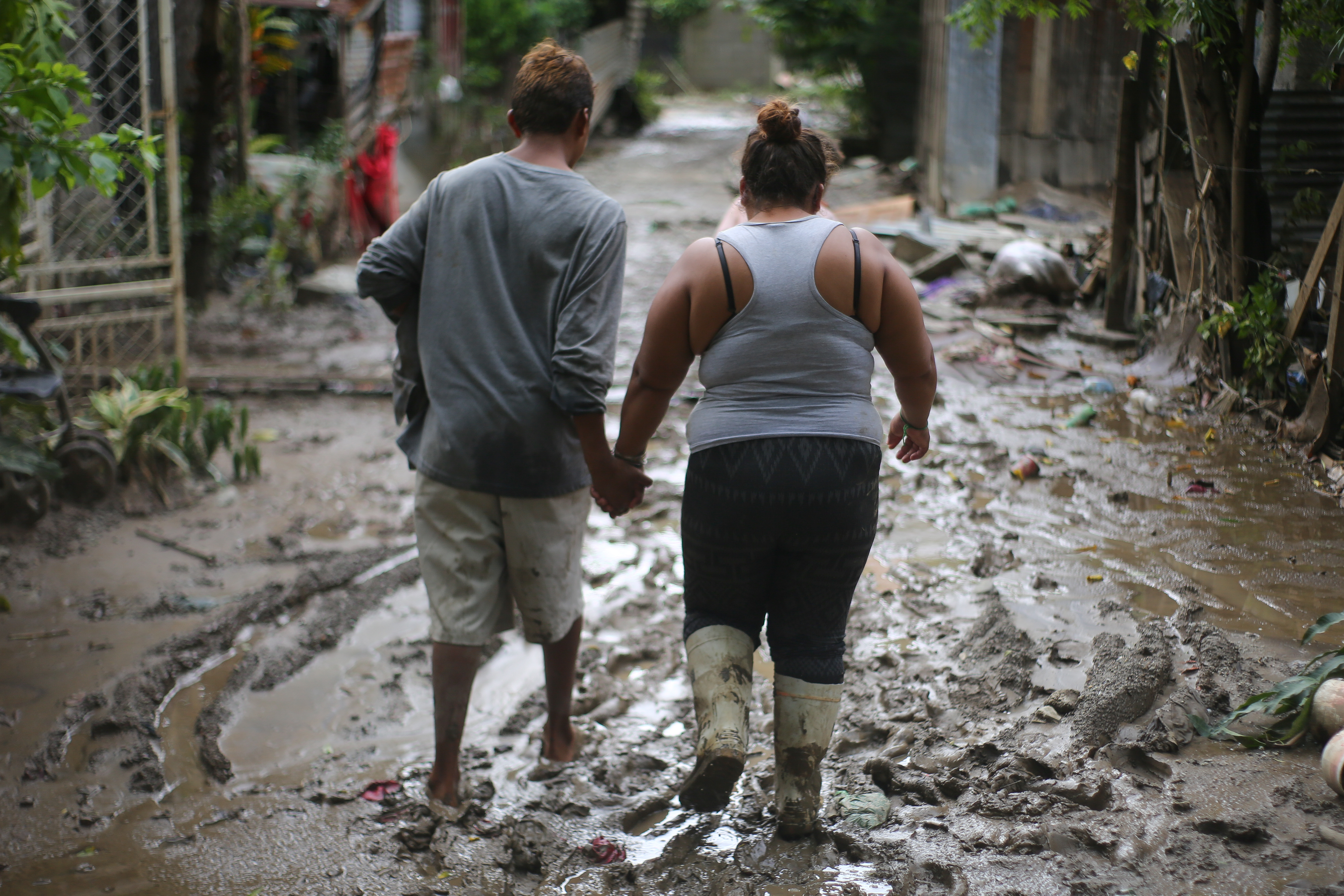
Two devastating hurricanes hit Central America in November, leaving widespread destruction for local communities already struggling from the fallout of the pandemic.
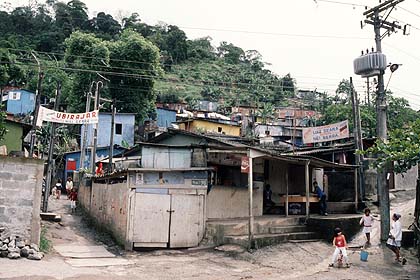
Maryknoll Sister Efu Nyaki reflects on her work on trauma healing in Brazil in light of this week’s scriptures.

Sr. Judith Noone, MM, reflects on this week’s scriptures in light of her mission work in Guatemala during the pandemic.
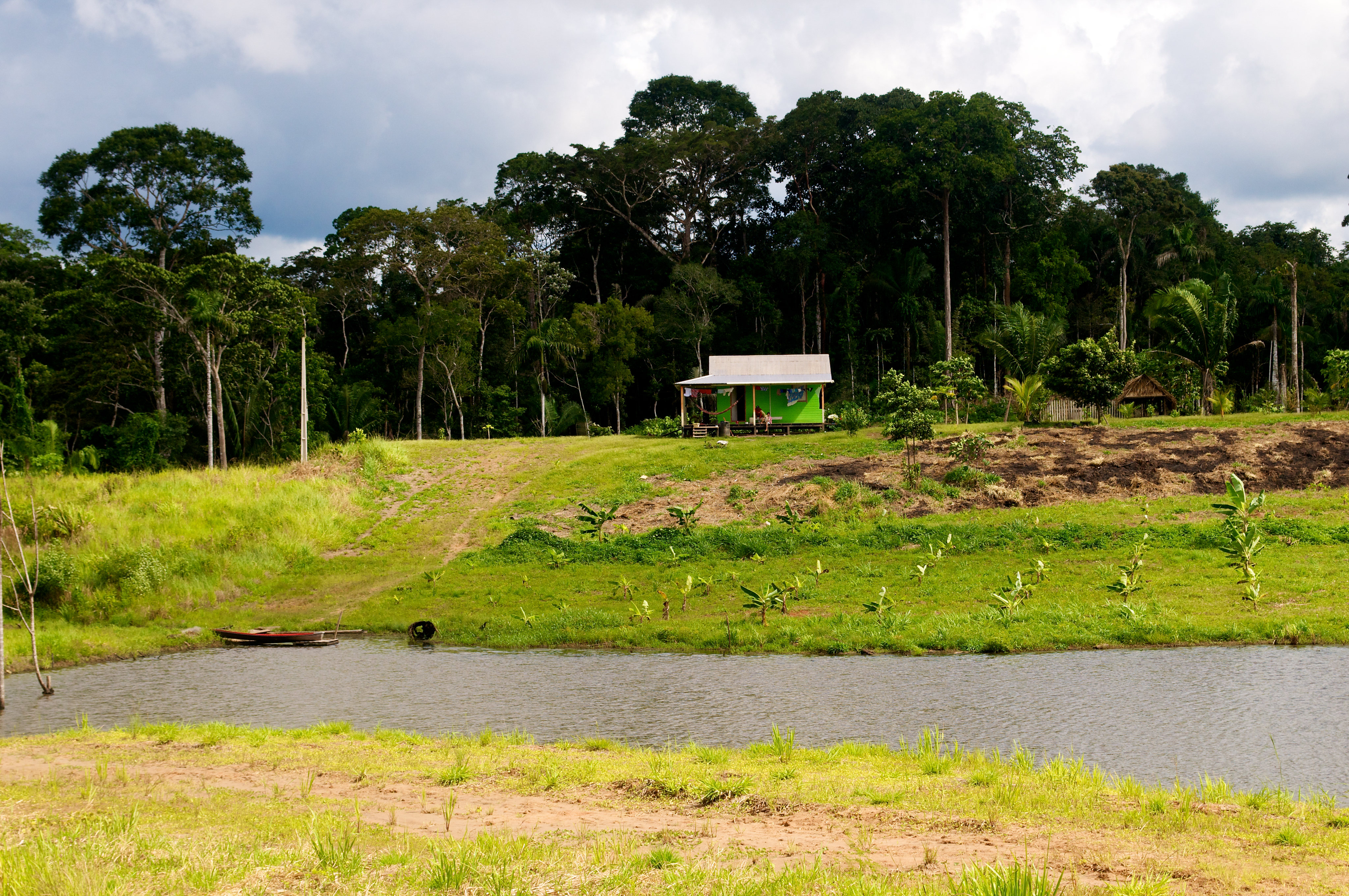
A new investment fund in Brazil aims to support small-scale, sustainable agriculture.
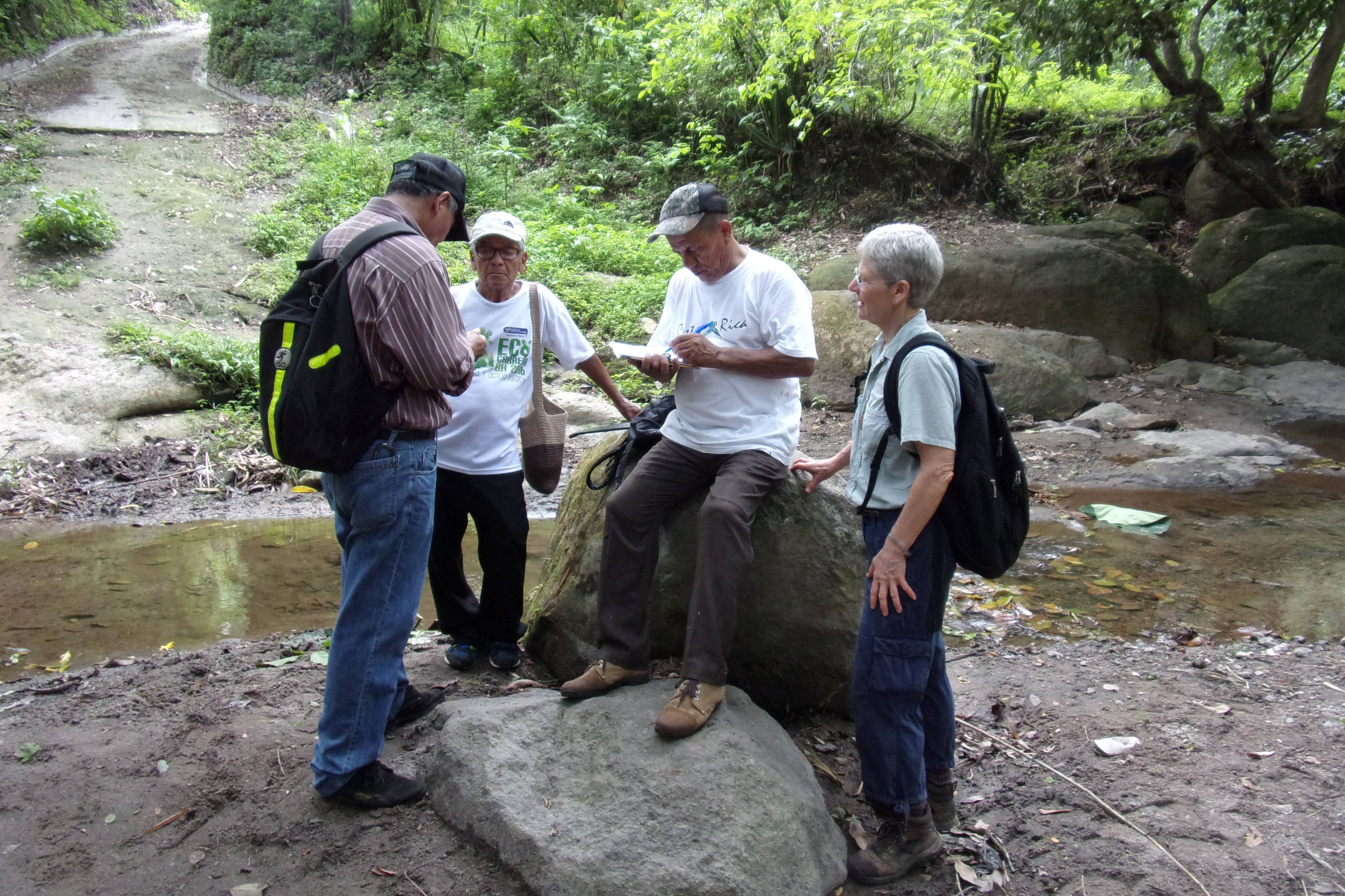
Peg Vámosy, a Maryknoll Lay Missioner in El Salvador, reflects on how this pandemic offers us the opportunity for a fresh start on healing our broken relationship with all God’s creation.
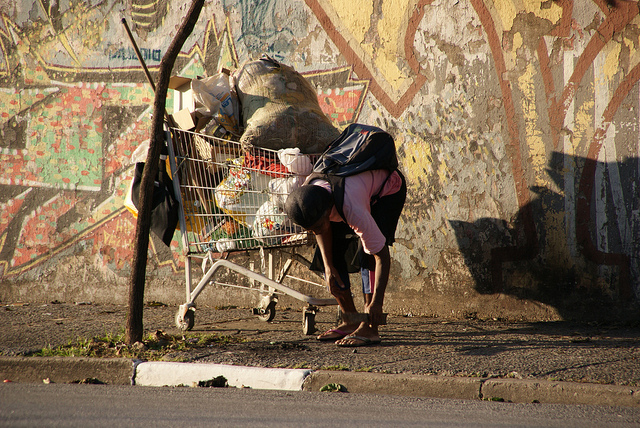
The Latin America Working Group offers a roundup of the actions by governments in Latin America that use the pandemic to expand corrupt or repressive rule or respond with police brutality. The following article was published in the July-August 2020 issue of NewsNotes. COVID-19 has begun to drastically affect life in Latin America. While government restrictions are essential…