
Faith groups call on World Bank to protect forests
Faith groups call on the World Bank to announce a Zero Deforestation policy at the Paris Climate Summit (COP21).
Examples of other issues we work on include anti-racism, the response to HIV/AIDS, and human trafficking, among others.

Faith groups call on the World Bank to announce a Zero Deforestation policy at the Paris Climate Summit (COP21).
Now is the time for the U.S. to follow through on our pledge to the Green Climate Fund.
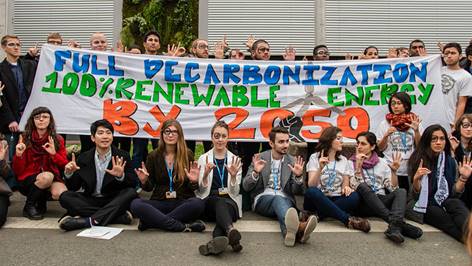
Momentum is building, thanks to voices from the Global South, for a climate agreement that limits global warming to 1.5 degrees Celsius.
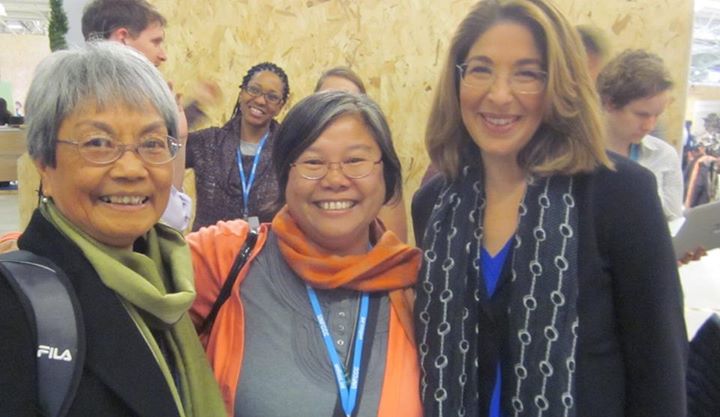
Chloe Schwabe, Faith-Economy-Ecology project coordinator for the Maryknoll Office for Global Concerns, reports from the 21st annual UN climate conference (COP21) in Paris.

The Faith Economy Ecology Working Group has developed this series of reflections, prayers and actions for Advent 2015.
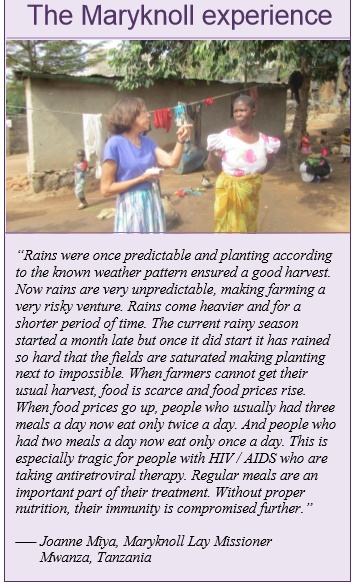
The fourth and final issue of Path to Paris examines the impact of climate change on migration and social unrest, especially in Tanzania. And it offers ideas for making a personal commitment to lifestyle changes, for taking action, and for meditation.
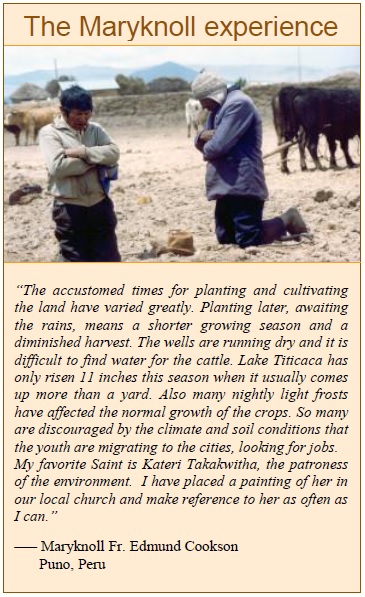
The third issue of Path to Paris examines the impact of climate change on food security, especially on smallholder “family” farmers in Peru. And it offers ideas for making a personal commitment to lifestyle changes, for taking action, and for meditation.

The second issue of Path to Paris examines the impact of extreme weather, especially on the people of the Philippines. And it offers ideas for making a personal commitment to lifestyle changes, for taking action, and for meditation.

Download our weekly series of prayer-study-action guides to help you join the millions of people worldwide praying and acting for the climate justice at the UN Climate Summit in Paris. Editor: Susan Gunn
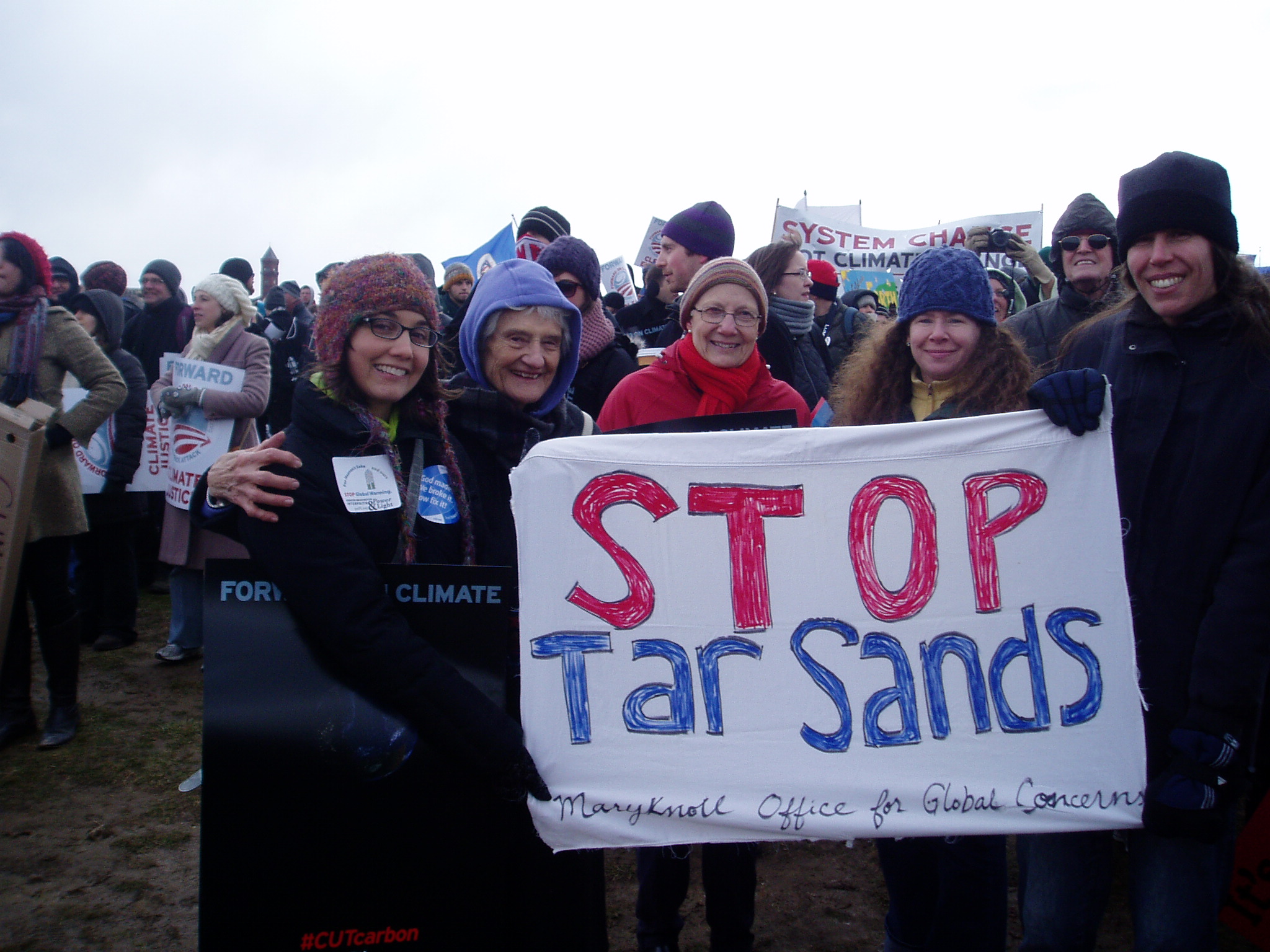
The Maryknoll Office for Global Concerns is grateful for President Obama’s rejection of the permit to pump tar sands oil through the U.S. heartland via the Keystone XL pipeline.
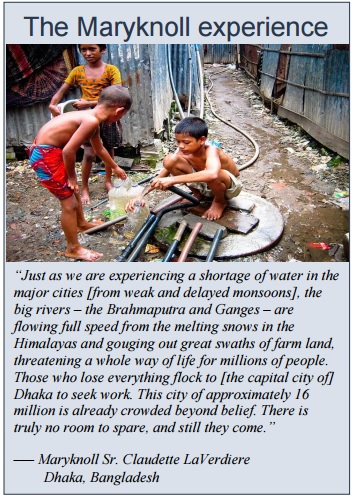
The first issue of Path to Paris examines the impact of rising sea levels, especially on the people of Bangladesh. And it offers ideas for making a personal commitment to lifestyle changes, for taking action locally and globally, and for prayer.
On October 5, the U.S. and 11 other nations finalized negotiations on the biggest trade agreement in history: the Trans-Pacific Partnership (TPP). Many concerns remain about the potential impact of this trade and investment deal on access to medicines and environmental standards.
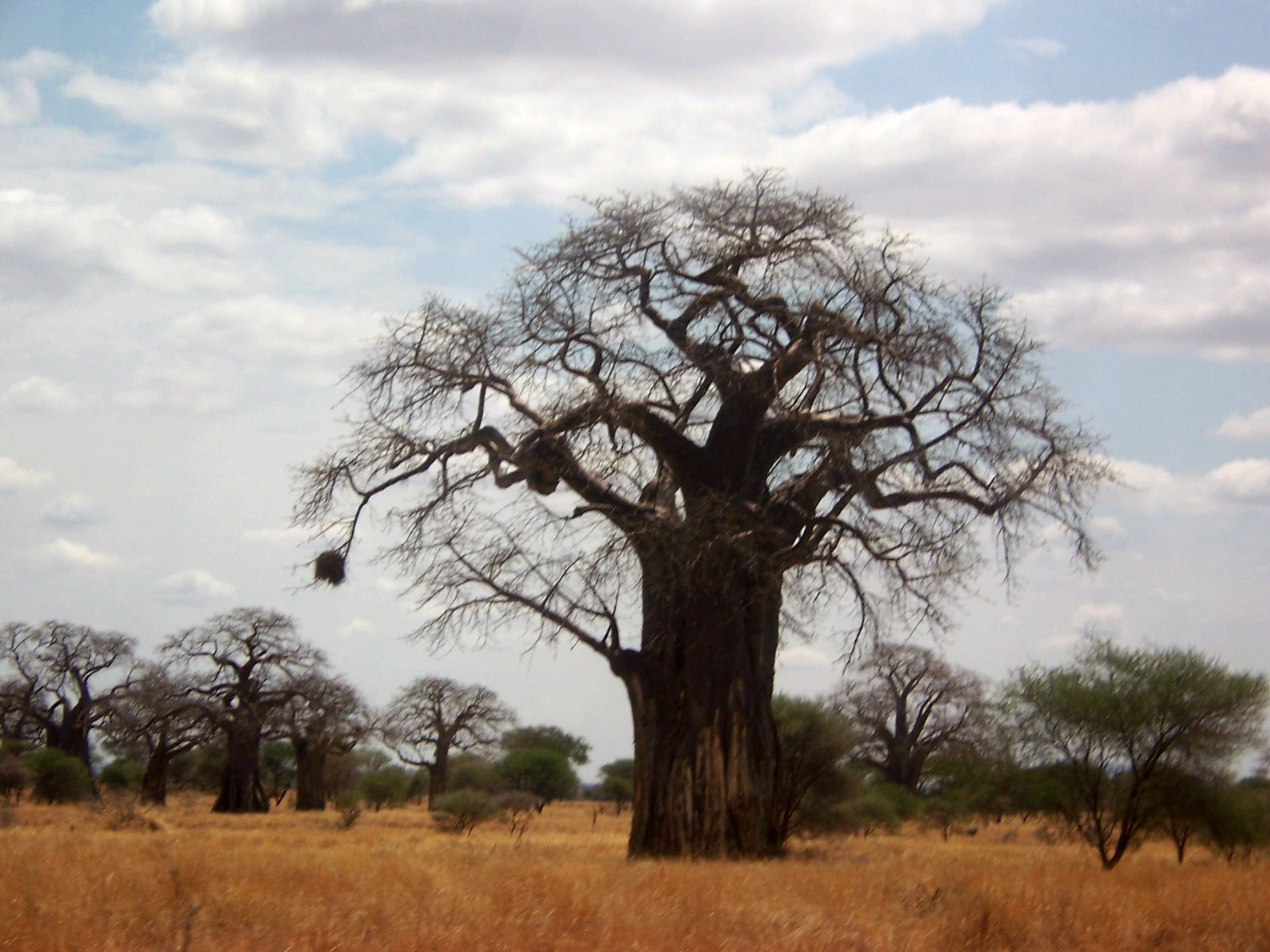
An excerpt from the article “What does the environment encyclical mean for Malawi?” written by Alex Muyebe, SJ, director of the Jesuit Centre for Ecology and Development, Lilongwe, Malawi, and Peter Henriot, SJ, who works with Loyola Jesuit Secondary School, Kasungu, Malawi, and published in in the August 28 issue of the British Catholic magazine The Tablet.
With increasing pressure to lower greenhouse gas (GHG) emissions, many countries are planning to increase their reliance on hydropower, meaning more dams. However, large-scale hydroelectric dams are a false solution to the climate crisis.
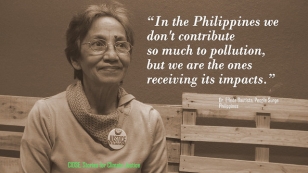
November 8 marks the second anniversary of Typhoon Haiyan, the strongest tropical cyclone ever recorded. It devastated portions of Southeast Asia. In the Philippines, more than 6,000 people died and 4.1 million people were displaced. Many of the approximately 16 million Filipinos living in extreme poverty were affected. This article, published by CIDSE as part of their video series “Stories for Climate Justice” tells the story of Dr. Efleda Bautista, a climate activist in the Philippines. Dr. Bautista describes what climate justice means to her.
As countries prepare for the climate negotiations in Paris in December, some experts have called attention to the need for including safeguards to protect nations’ actions to address climate change from legal challenges by trade partners. Without this legal protection, many of the initiatives to decrease climate emissions or to adapt to a changing environment could be overturned by lawsuits.
The UN Climate Summit in Paris will be an unprecedented opportunity for nearly 200 nations to take bold action on the care for the earth and for all people suffering the adverse effects of climate change.
Join more than 1 million people in cities across the globe, to call for bold climate action by world leaders at the Paris Climate Summit.