
Environmental Justice

Climate change is at the center of the environmental challenges facing the global community. Maryknoll missioners around the world witness firsthand the devastating impacts of the changing climate, most egregiously on those who have contributed least to climate change, communities that are poor, powerless, and pushed to the margins by society.

We educate for environmental justice by first clarifying and deepening our own comprehension of these insights: that every creature has the right to be; the right to its habitat; and the right to make its own contribution to all of life.  We believe that the global failure to protect our Common Home has become, in reality, a simultaneous assault on the poor and a form of environmental racism. 

Maryknoll Leadership Statement on Pope Francis’ encyclical “On Care for Our Common Home

MARYKNOLL REFLECTIONS ON LAUDATO SI: Ecological conversion: Called to hope, spurred to action

POLICY BRIEF: Climate Change and Care for Creation

WEBINAR: Climate Change and the 2020 Elections

ARTICLE: Maryknoll Missioners Take Climate Action

SPECIAL PROGRAM: Integral Ecology Program

NEWSLETTER: Encounters Where Faith, Economy, Ecology Meet


Photo by Moyan Brenn

20th Sunday in Ordinary Time

Susan Weissert, who worked as a lay missioner for many years in South America and at the Maryknoll center in New York, asks: Can we look back on our actions/words/decisions today and see that they were shaped by love of God and love of neighbor?
comunidade81_1140

19th Sunday in Ordinary Time

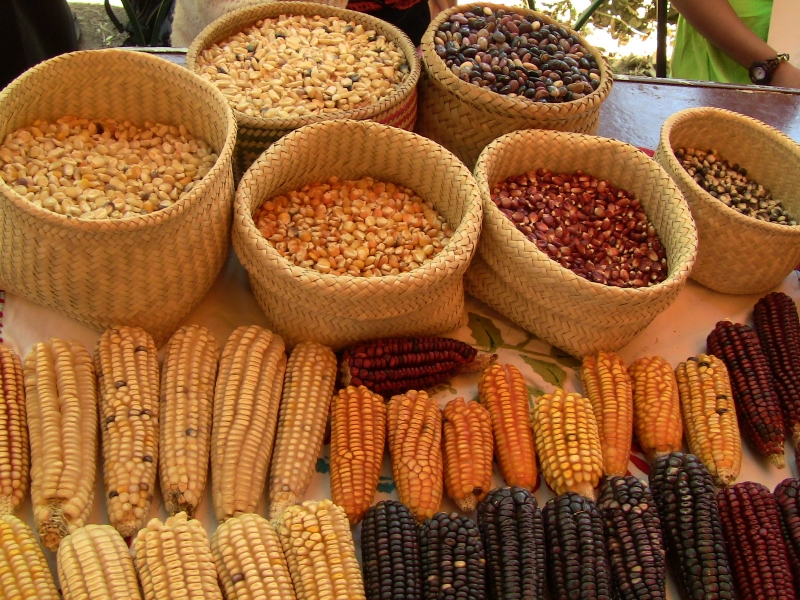
Former lay missioner Jean Walsh shares a reflection on her time in Oaxaca, Mexico, and how the lessons from the Oaxacan farmers’ commitment to the Earth can lead us to more sustainable, integrated lives.

Philippines_mahogany_trees

17th Sunday in Ordinary Time

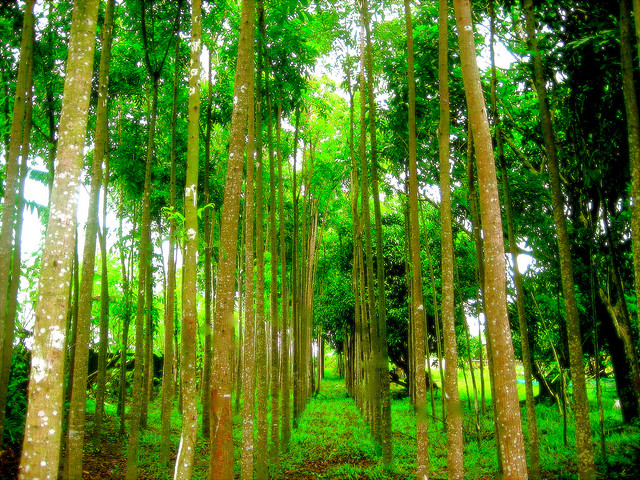
In this week’s reflection, Fr. Tom Marti recalls his service in the Philippines, and that beautiful nation’s efforts to reverse the devastating ecological destruction it has experienced in recent decades.

Red barrel

Ecological economics: A special series

As humanity faces the reality of exhausting a number of key natural resources, we realize that our economy, which is fundamentally built on the concept of never-ending exponential growth, must drastically change if we are going to live within the confines of a finite planet, Earth. This series of six articles, written by Dave Kane, looks at ecological economics and the idea of a steady state economy that will provide livelihoods while fitting within the footprint of Earth. The series was published in NewsNotes in 2009 and was updated in 2012.

IMG_1600

July-August 2012 NewsNotes

This issue of NewsNotes includes articles on recent protests in Peru, an update on Sudan and South Sudan, a report from the Rio+20 Earth Summit, and much more …

nuclear_plants

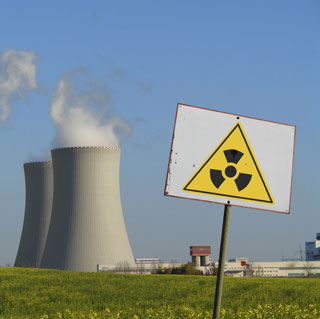
Nuclear energy: Its dangers outweigh its benefits

March 2012 — As the world prepares to mark the first anniversary of the tragic tsunami and nuclear accident in Japan, Maryknoll missioners convey their continued sympathy for all those directly impacted by the disaster, and present a new statement that expresses their deep reservations about the continued reliance on the use of nuclear power and the development of nuclear weapons.

Cuba_chess

May-June 2012 NewsNotes

This issue includes a brief report from Cuba, an update on South Sudan, and a piece about “exporting obesity.”

el_salvador_contamination

March-April 2012 NewsNotes

This issue of NewsNotes includes an update on the Pacific Rim case against El Salvador; the TIPNIS controversy in Bolivia; the historic move in Guatemala to try former dictator Rios Montt for human rights abuses; a report about the “financialization of nature”; and much more.

earth in hands

January-February 2012 NewsNotes

Celebrating 100 years of Maryknoll sisters … plus an update on the students’ protest in Chile, post-referendum news from Sudan-South Sudan, news about the June 2012 Earth Summit, and principles for public-private partnerships for food security.