
Haiti Advocacy Working Group Letter about the Gang Suppression Force
As a member of the Haiti Advocacy Working Group, Maryknoll Office for Global Concerns shared its concerns about the Gang Suppression Force with Ambassador Henry Wooster.
Download the statement as a PDF
The Honorable Henry T. Wooster
Chargé d’Affaires
U.S. Embassy in Haiti
Tabarre 41
Route de Tabarre
Port-au-Prince, Haiti
January 26, 2026
Dear Ambassador Wooster:
We, the undersigned organizations with decades of experience supporting communities in Haiti, write to share our concerns, as well as the concerns of our Haitian partners, about the Gang Suppression Force (GSF) authorized by the United Nations Security Council. Just as many of our organizations publicly expressed reservations to the Biden Administration over the Multinational Security Support Mission (MSS)1, we now urge the Trump Administration to heed the lessons learned from past international interventions into Haiti. Before any Force operations may begin, the voices, needs and concerns of the Haitian people should be integrated into U.S. planning in order to have any hope of sustained success. For long-term safety and security to be realized in Haiti, any international interventions must work in consultation with Haitian civil society actors; must ensure that protecting civilians – including women and children – is a key priority; and, most importantly, must be conducted in parallel with strategies for addressing the root causes of Haiti’s violence and instability: corruption and impunity.
Now more than two years since the MSS was authorized and over 18 months since MSS forces arrived in Haiti, gangs continue to wreak havoc on key territory and infrastructure, exacerbating crises such as food insecurity. With over 1.4 million people internally displaced, Haiti now has one of the highest proportions of displaced people of any conflict in the world. Brutal violence against women has been a feature of gang warfare, and sexual violence against children skyrocketed a shocking 1000% percent in 2024 alone2. In response, the Government of Haiti has called for international support to respond to the security crisis, and the United States and other countries have responded with contributions and resources for this Force.
Although the security situation in Haiti is increasingly dire, Haitians and advocates have reason to be skeptical that the GSF will lead to lasting change after enduring decades of failed interventions. Already, the GSF has been announced and funds are being raised without sufficient details made available to the Haitian government or the Haitian public. For the GSF to have a different outcome than its predecessors in Haiti, we urge you and your colleagues to work with credible Haitian civil society actors to ensure that the GSF protects civilians, takes accountability for human rights abuses, and ensures that the crises’ root causes are addressed.
Involve Haitian Leaders and Civil Society
As of this writing, neither the Government of Haiti nor Haitian human rights and civil society actors have been involved in the creation or review of the GSF terms of reference. Additionally, Women Peace and Security Principles make clear that women’s participation and the integration of gender perspectives lead to more durable post-conflict solutions. Failing to include these actors would result in an international intervention that is not led by or supported by the local community, drastically reducing the likelihood that the intervention would adequately address their needs and produce a more stable Haiti. Further, involving civil society ensures that the GSF does not inadvertently align with political actors who have been complicit with gang activity.
Protect Haitian Civilians
We urge the Gang Suppression Force to transparently disclose and rigorously implement, monitor, and remain accountable to a civilian protection plan that safeguards the lives and human rights of all Haitians, especially for marginalized groups like women and children. The U.S. should ensure that Haitian civil society – particularly human rights organizations and women’s rights organizations – and the Haitian government both have key roles in determining the terms of reference, civilian protection plans, and the accountability mechanisms for this Force.
Ensure Accountability for Abuses
To account for the instances when the Gang Suppression Force fails to protect the human rights of Haitians or commits abuses itself, it must be subject to robust independent accountability mechanisms according to international human rights law and created in cooperation with Haitian civil society. These should include clear guidelines set in human rights training, and clear consequences for violating those guidelines, both for Force members guilty of abuses and for leaders who enable them. The legacy of MINUSTAH included sexual abuse and exploitation of vulnerable Haitians that resulted in hundreds of children abandoned by their MINUSTAH fathers3 and a cholera epidemic introduced by UN peacekeepers that killed more than 10,000 people and ravaged Haiti’s health system. As a result, Haiti is still grappling with cholera outbreaks today. Worse, the United Nations and its member states failed to take full responsibility or adequately compensate the Haitians impacted by these failures. The MSS has also been largely ineffective, as gang control and violence expanded under its watch, and hundreds of civilians have been killed in the crossfire of gang-related operations. Each of these U.S.-backed interventions have cost the U.S. financially, hurt the U.S. reputation in Haiti and the region, and failed to end the cycle of violence and crisis in Haiti.
Address Root Causes of Instability
Most importantly, we urge the United States and the international community to address the root causes that have allowed gangs to thrive. The Gang Suppression Force should be considered as just one part of a larger plan for Haitian security that is accompanied by support to end impunity and corruption, which enable violence and instability. No security intervention can fully succeed without addressing those who fund the gangs, profit from their activities, traffic weapons, or who refuse to – or are unable to – prosecute those involved. The massive foreign security investments pledged to Haiti in this moment present an opportunity to establish long term peace if there are parallel investments in domestic measures that include support for victims of gangs, such as for victims of gender-based gang violence; improving the justice system’s ability to transparently report on and prosecute both gang and white collar crimes; removing corrupt political actors from power; and strengthening the Haitian National Police through training, equipment, and vetting so that they are prepared to maintain Haiti’s security both during this international intervention and after the intervention ends.
With the year ahead involving several significant developments in Haiti including the end of the Transition Government mandate, the operationalization of the GSF, and the organization of Haiti’s first elections in ten years, these next few months are a critical time to chart a new course. Because the GSF is not yet fully operational, there is still time to shape its trajectory. We urge you to ensure that the GSF works in cooperation with Haitian civil society, protects civilians, is accountable to abuses, and operates in conjunction with efforts to address the root causes of Haiti’s violence.
We are grateful for your effort and cooperation in creating a brighter future for Haiti, and we look forward to working with you to ensure this mission can succeed where others have failed.
Sincerely,
American Jewish World Service
Amnesty International USA
Anana Consultants
Ansara Family Fund
Church of the Brethren, Office of Peacebuilding and Policy
Company of the Daughters of Charity of Saint Vincent de Paul
Company of the Daughters of Charity
Dominican Leadership Conference
Edmund Rice Christian Brothers North America Advocacy Office
Edmund Rice International
Faith in Action International
Haiti Policy House
Haitian Women’s Collective
International Presentation Association
Justice Coalition of Religious-Network of the USA
Leadership Team of the Felician Sisters of North America
MADRE
Maryknoll Fathers and Brothers
Maryknoll Office for Global Concerns
Mennonite Central Committee
U.S. Missionary Oblates of Mary Immaculate
Passionists International
Pax Christi International
Pax Christi USA
Presbyterian Church (USA), Office of Public Witness
Quixote Center
Religious of the Sacred Heart of Mary NGO
Roots of Development
School Sisters of Notre Dame
Sisters of Charity Federation
Society of the Sacred Heart
St. Katharine Drexel Parish, Frederick, MD
Haiti Partnership Parish Committee
The Episcopal Church Unitarian Universalist Service Committee (UUSC)
CC:
Barbara Feinstein, Deputy Assistant Secretary for Caribbean Affairs and Haiti, U.S. Department of State
William O’Neill, Designated Expert on the Situation of Human Rights in Haiti, United Nations
Senator James E. Risch, Chairman, Senate Foreign Relations Committee
Senator Jeanne Shaheen, Ranking Member, Senate Foreign Relations Committee
Congressman Brian Mast, Chairman, House Foreign Affairs Committee
Congressman Gregory W. Meeks, Ranking Member, House Foreign Affairs Committee
Senator Roger F. Wicker, Chairman, Senate Armed Services Committee
Senator Jack Reed, Ranking Member, Senate Armed Services Committee
Congressman Mike Rogers, Chairman, House Armed Services Committee
Congressman Adam Smith, Ranking Member, House Armed Services Committee
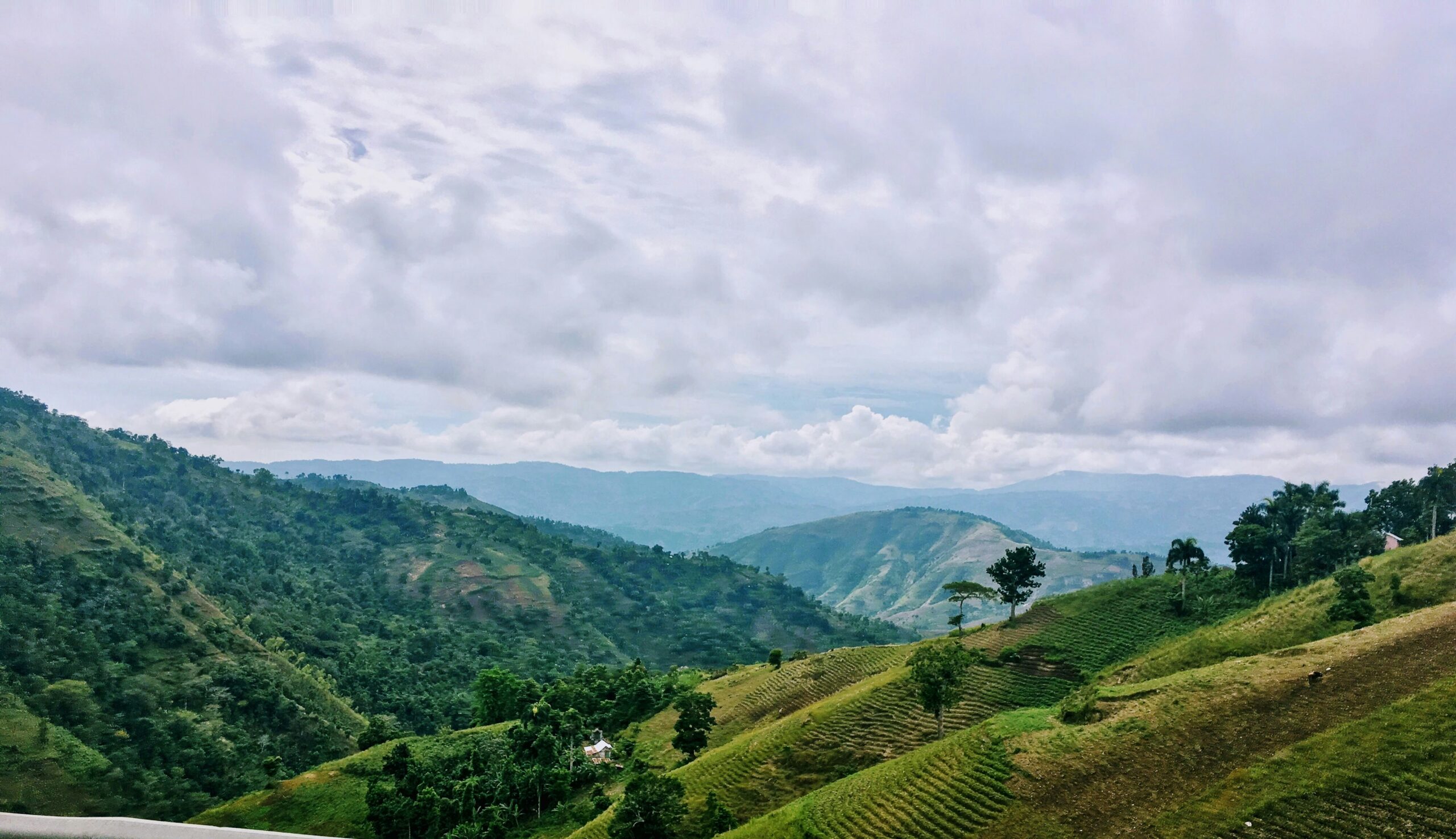
Photo: Jacmel, Haiti, available in the public domain via Unsplash.
- https://ajws.org/press-releases/civil-society-organizations-call-on-biden-administration-to-address-human- rights-concerns-about-the-international-force-in-haiti/ ↩︎
- https://news.un.org/en/story/2024/11/1156826 ↩︎
- https://theconversation.com/they-put-a-few-coins-in-your-hands-to-drop-a-baby-in-you-265-stories-of-haiti an-children-abandoned-by-un-fathers-114854 ↩︎